
Nang Phaya
Wat Nang Phaya (วัดนางพญา), Phitsanulok · Unknown; recovered from a kru, Ayutthaya-period production
History of the type
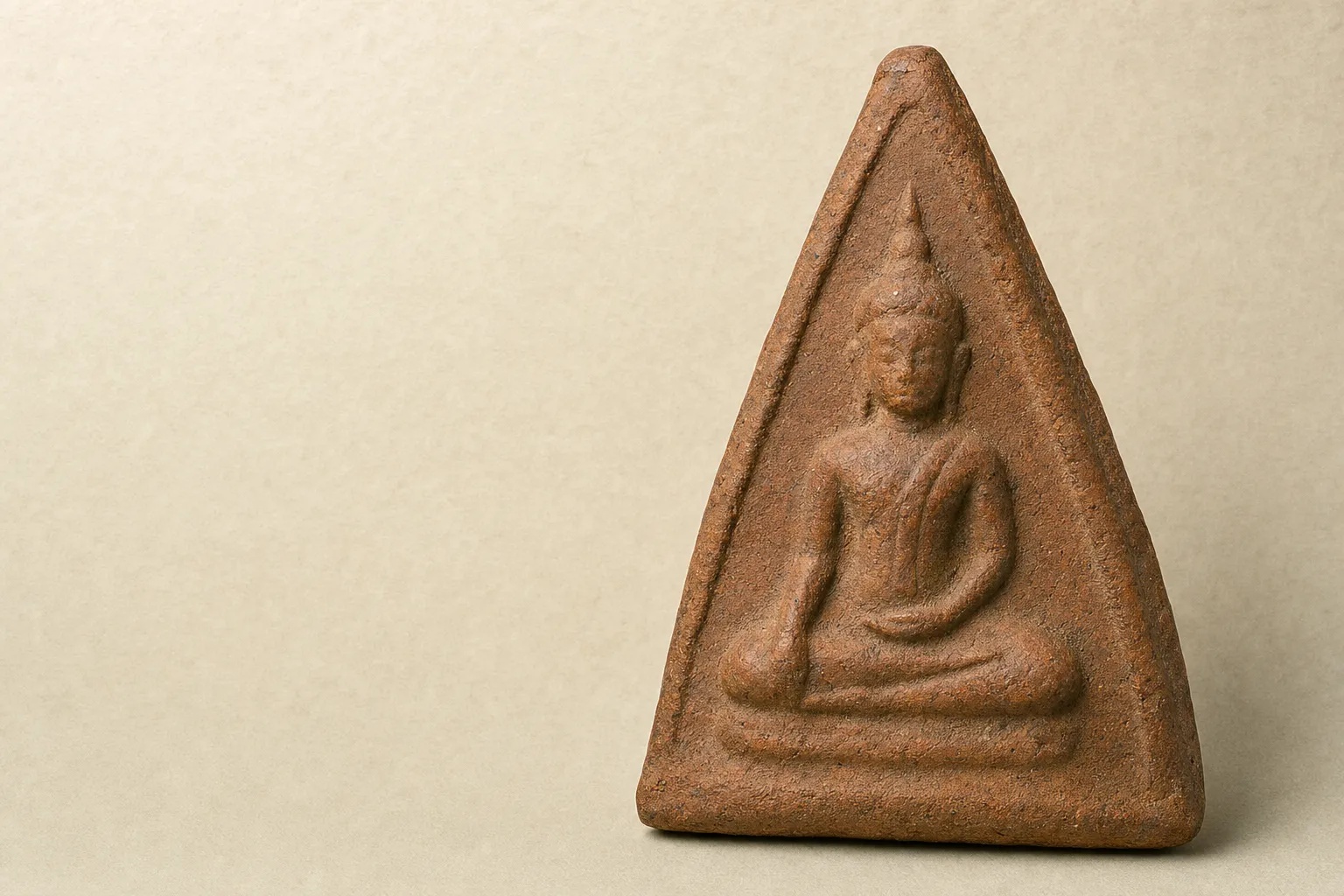
Nang Phaya (นางพญา) is the most enigmatic member of the Benjapakee (เบญจภาคี). The name is usually rendered "the queen" or "the noblewoman," and the tablets were discovered in the kru (กรุ), the sealed relic chamber, of Wat Nang Phaya (วัดนางพญา) in Phitsanulok in the lower north. They are generally dated to the Ayutthaya period, roughly the fifteenth to sixteenth century CE.
The design is what sets Nang Phaya apart. The seated Buddha is rendered with softer, more flowing lines than the typical image, and many observers describe an almost feminine quality to the figure. Whether the name refers to a royal patron who commissioned the tablets or is simply a collector's label for that gentle visual character is genuinely debated, and no documented record settles the question. The maker is unknown; like several of the oldest canonical types, Nang Phaya comes to us as an excavated object without a signature.
That combination of a striking, distinctive form and an unresolved backstory is exactly why the type fascinates collectors. It is a canonical amulet whose central facts, who made it and why it carries the name it does, remain partly open.
Materials and muan sarn
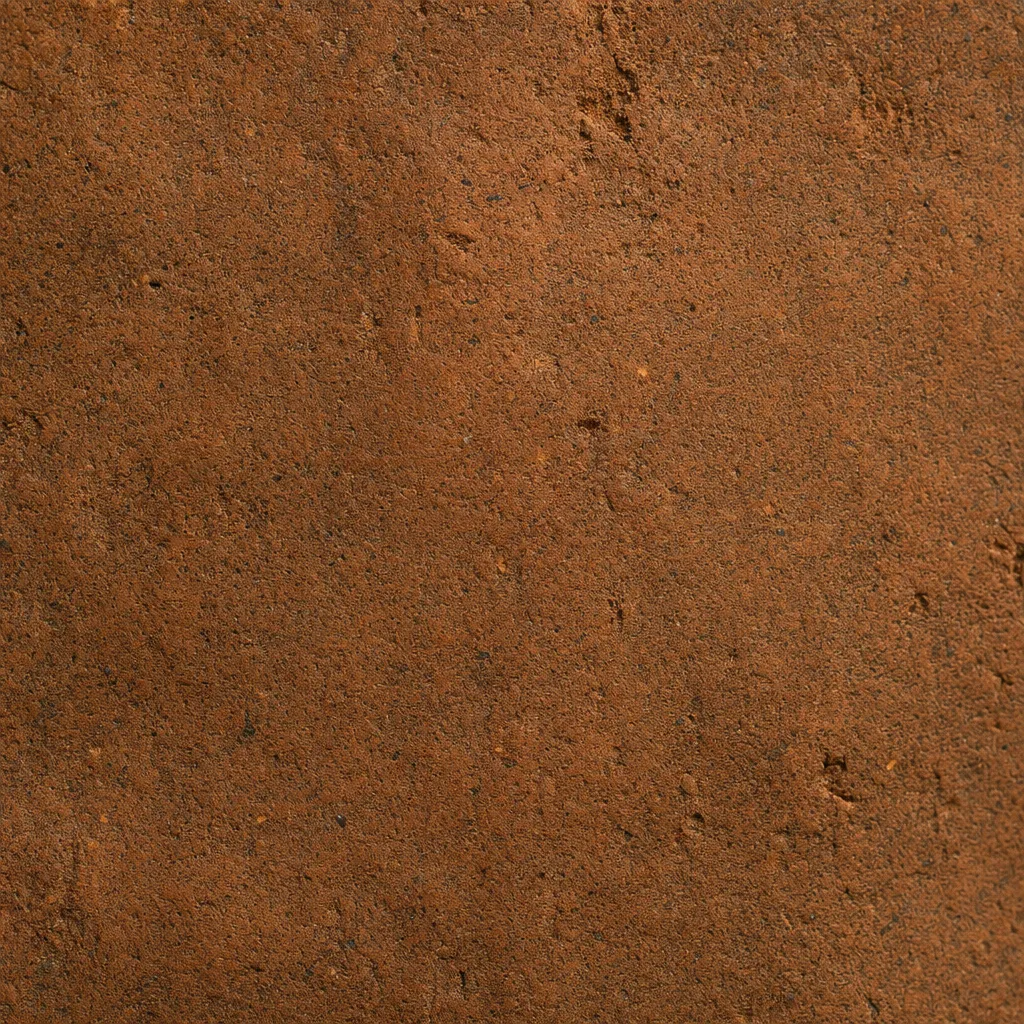
Nang Phaya tablets are pressed from a fine-grained clay. After centuries in the kru the fabric commonly reads as reddish-brown or a darker tone, and the fineness of the clay body is one of the features students of the type attend to. As with the other ancient excavated members of the Benjapakee, there is no compounded muan sarn (มวลสาร) recipe to describe: these are fired earthen tablets from a specific historical moment, and their material interest lies in the character of that clay and the marks great age has left on it rather than in any list of sacred ingredients.
Consecration history
No consecration record survives for Nang Phaya. The tablets belong to the old tradition of sealing votive images inside a kru, and their authority rests on their antiquity and their place in the canon rather than on any documented ceremony or named consecrating master. What the tradition adds is devotional rather than historical, and is best reported as belief.
Notable editions
- Kru finds from Wat Nang Phaya, Phitsanulok (finite, no new production)
Cultural significance
Among the Benjapakee, Nang Phaya is the type most associated with metta mahaniyom (เมตตามหานิยม), loving-kindness and the kind of personal magnetism that makes others well-disposed. Tradition also links it to kongkraphan (คงกระพัน), invulnerability of the body, so the amulet is understood to combine charm with protection. The soft, graceful form has encouraged its reputation as an object of gentleness and appeal, and the "queen" or "noblewoman" association only deepens that reading.
For the wider audience meeting the tradition through an overview, Nang Phaya is a good illustration of how much devotional meaning can attach to a type whose documented history is thin. Its standing in the collecting world comes as much from its aura and its mystery as from any fixed set of facts.
Market overview
Nang Phaya belongs to the top-tier collector market, and genuine examples are extremely rare. Supply is fixed to the excavated finds, condition varies widely, and demand for so celebrated and scarce a canonical type keeps fine pieces firmly in the specialist sphere. As with the other ancient Benjapakee members, this is not temple-counter territory, and any figure attached to a given example should be read as a snapshot of a narrow, cautious market rather than a settled price.
Identification notes
Educational context only. LOKAVIDU does not authenticate amulets or issue verdicts.
Ancient excavated tablets of this stature demand study that no short profile can provide, and none is attempted here. Reputable work proceeds through documented references, securely provenanced comparison pieces, and the guidance of specialists in this particular type.
LOKAVIDU offers cultural and historical context only. We do not authenticate amulets or pass judgment on individual pieces. That is the work of experts examining the objects directly.