
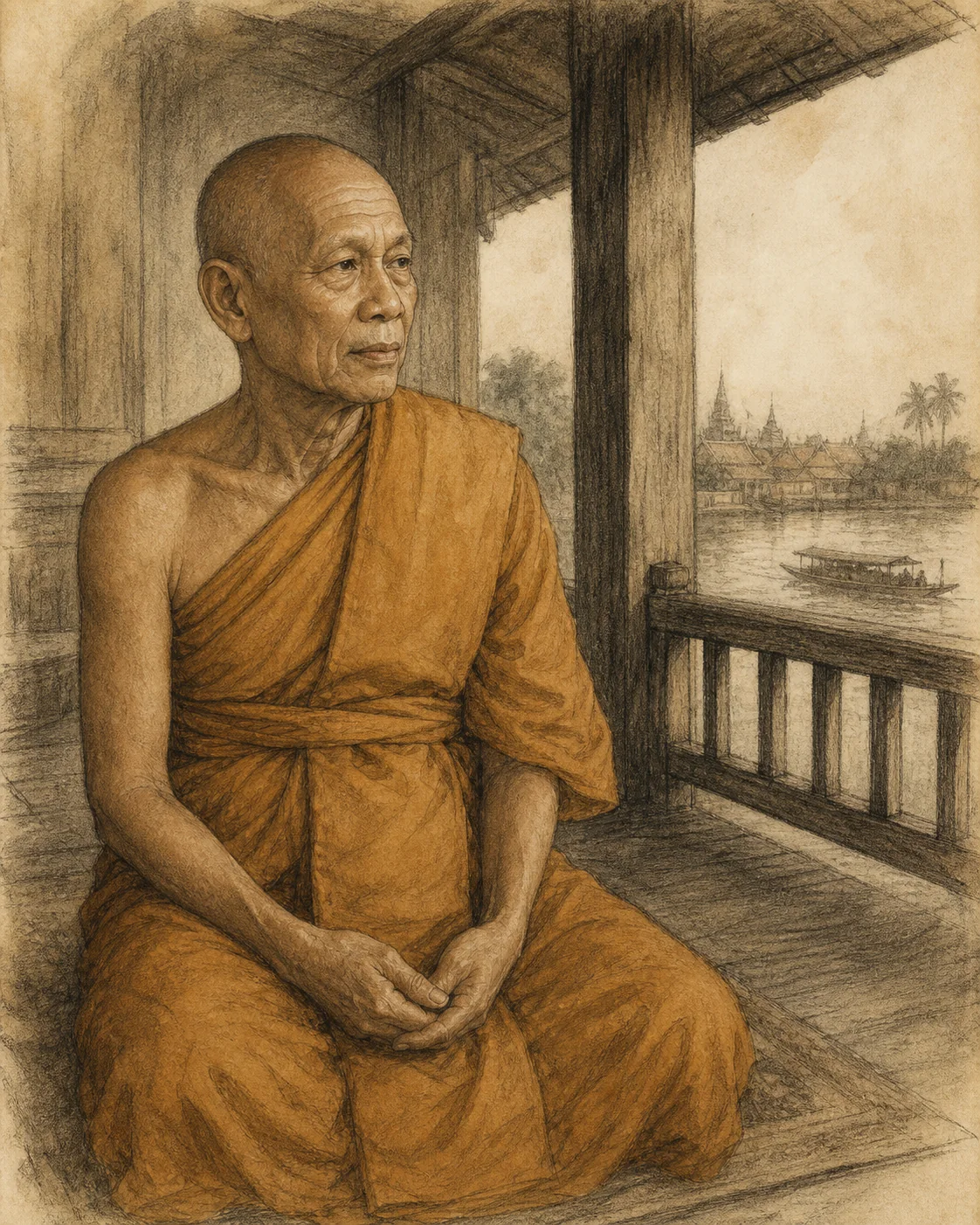
01 · People
Monks & masters
Lives, lineages, disciplines, and signature amulets.
Editorial illustration · A general historical monk type, not a claimed likeness.
An independent guide from Thailand
Understand the objects, monks, temples, materials, ceremonies, and living traditions behind phra khrueang—without sales talk, superstition bait, or authentication claims.
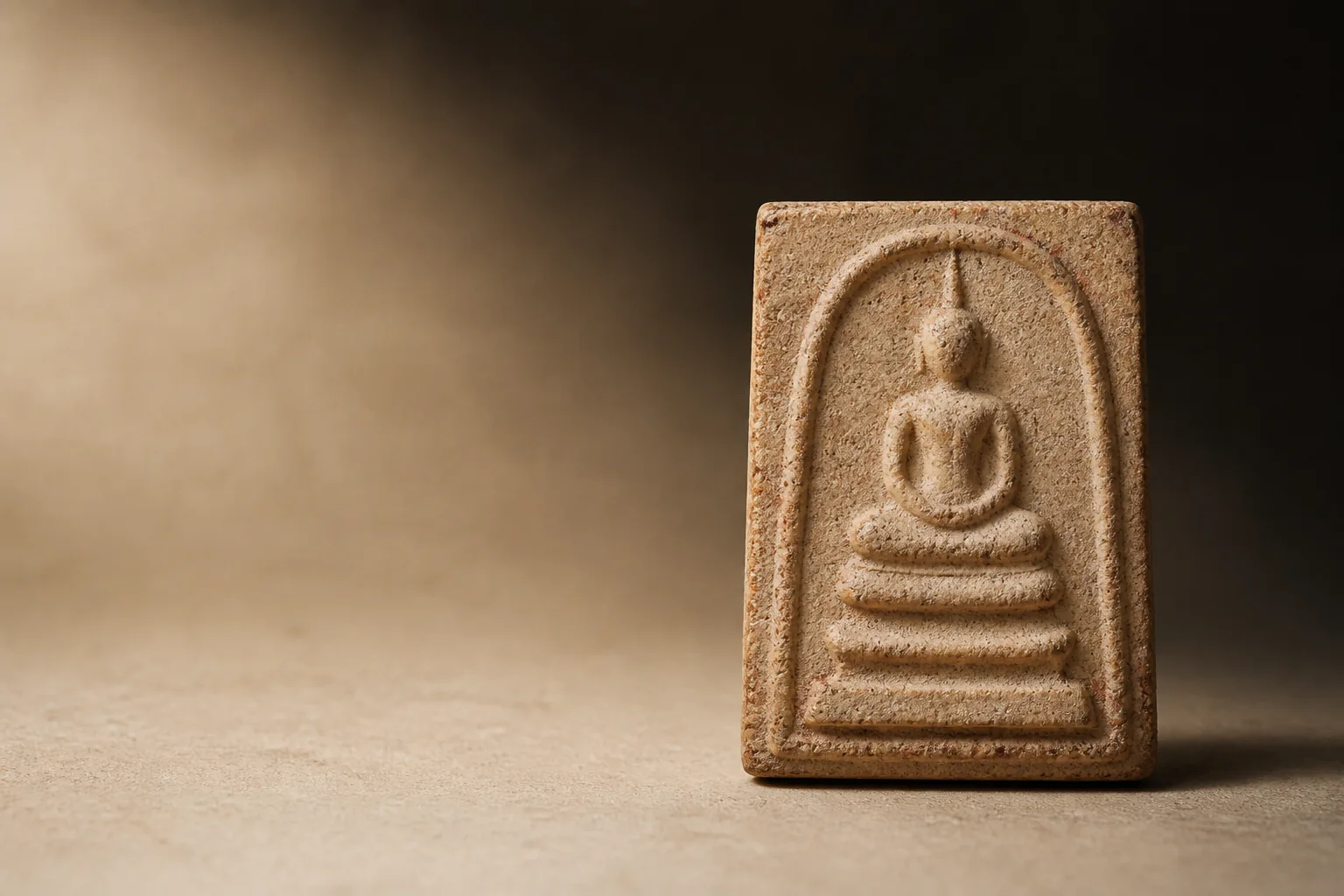
Representative visualization · Phra Somdej-style form in pressed sacred powder. Not an authenticated specimen.
The ground floor
A Thai Buddhist amulet is a small consecrated object—usually an image of the Buddha, a revered monk, or a sacred design—made within a temple or lineage and carried as a reminder, blessing, and form of protection.
In Thai, the broad category is phra khrueang (พระเครื่อง), literally “sacred objects” or “Buddha objects.” They may be pressed from sacred powders, fired from clay, cast in metal, or compounded from herbs. What matters is not only the image: maker, material, mold, temple, ceremony, and the wearer’s conduct all shape how an amulet is understood.
Lokavidu documents that tradition from the ground up. It does not sell, authenticate, or appraise amulets.
Read the complete beginner’s guideA clear route through a complex world
Five guides establish the language, history, and etiquette used throughout the archive.
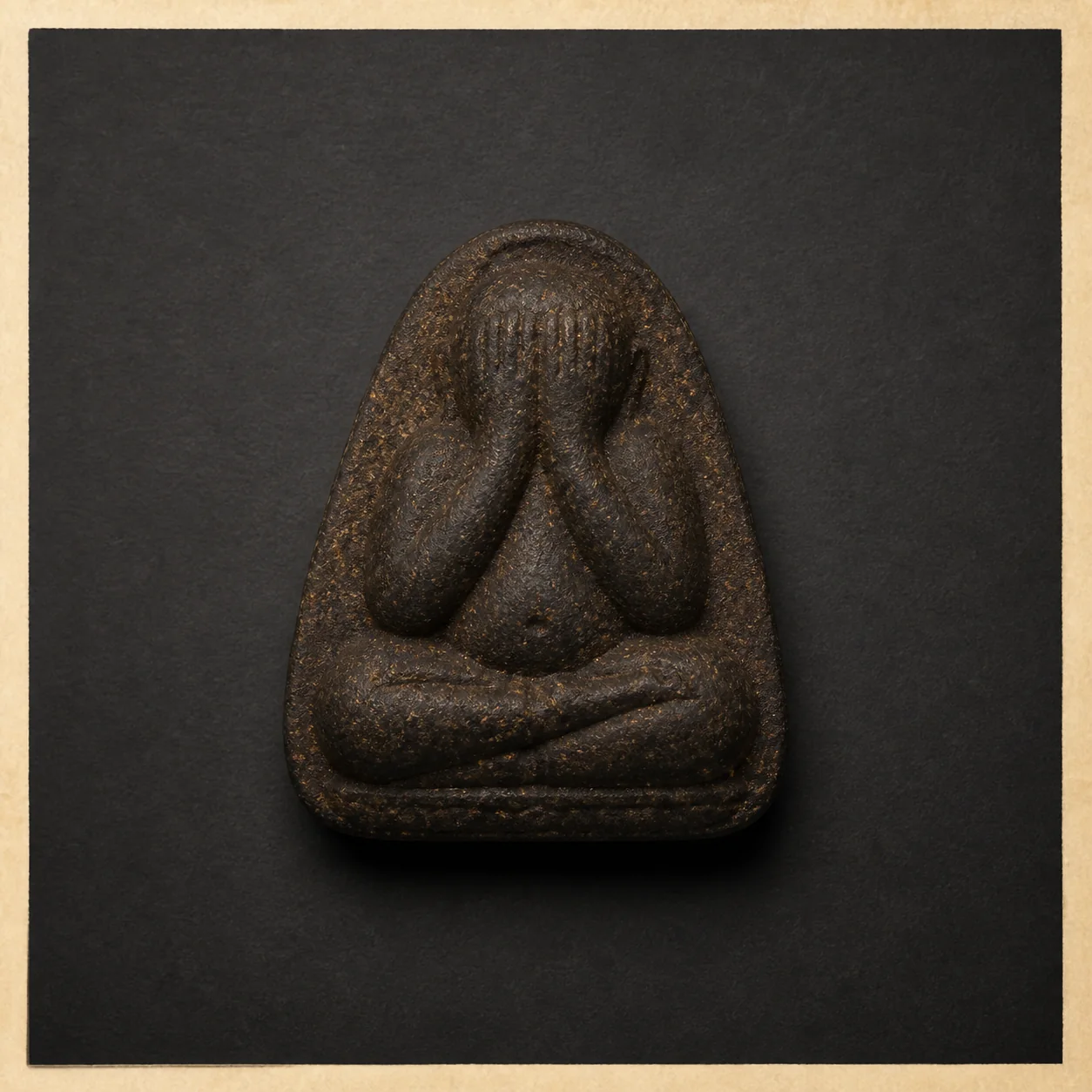
Object study · Phra Pidta
Phra Pidta (พระปิดตา) is not one amulet from one temple. It is a family of devotional forms: a seated figure raises both hands to close the eyes and, symbolically, the other doors of the senses.
The image translates inward discipline into a protective form. Different lineages made it in sacred powder, herbal compounds, metal, and other materials, each with its own molds and ritual history.
Study the Phra PidtaThe tradition is a system
Reading an amulet means following a set of relationships: who made it, where it came from, what it was made of, and how it entered religious life.
Lives, lineages, disciplines, and signature amulets.
Editorial illustration · A general historical monk type, not a claimed likeness.
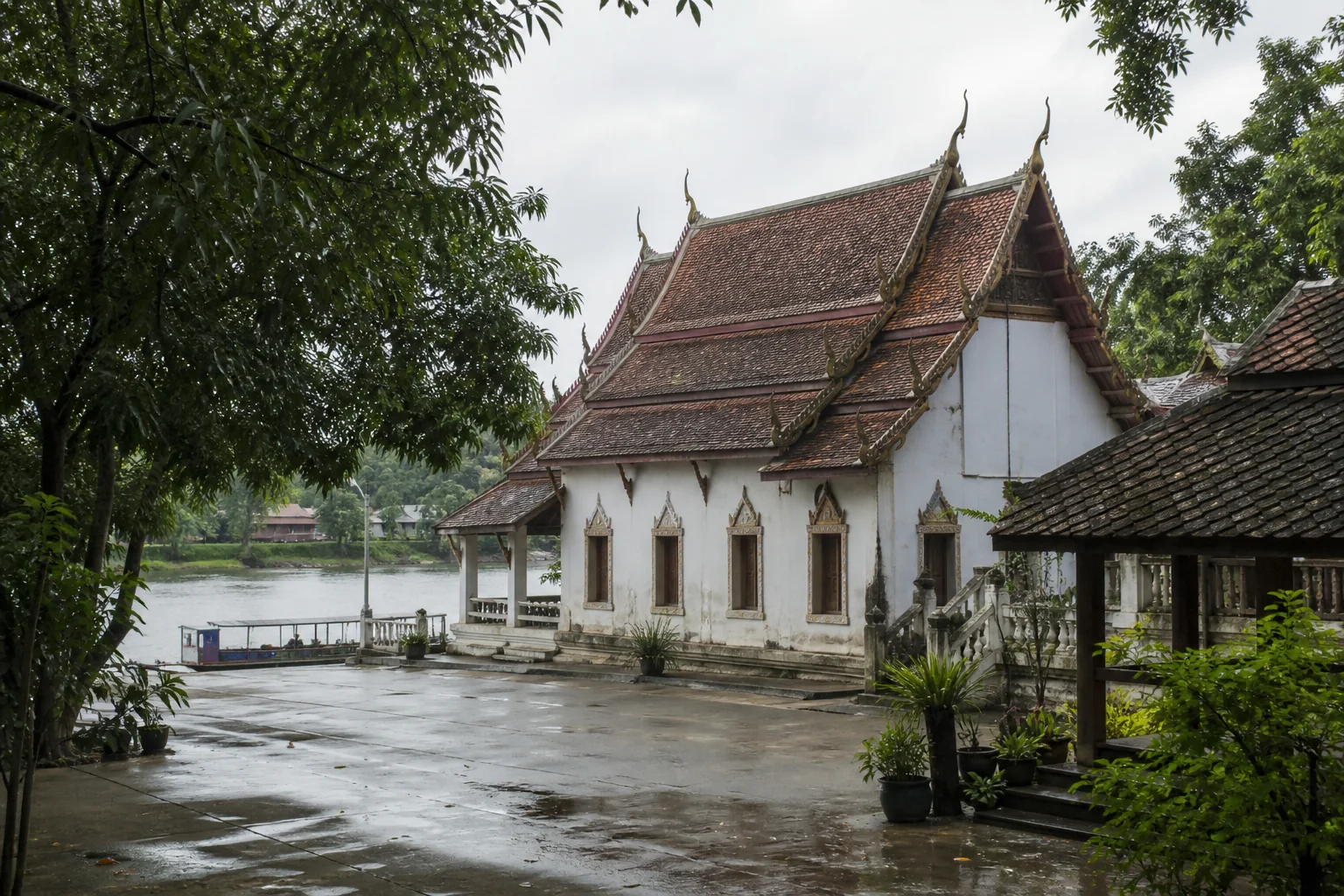
Ten guides to the places that anchor living lineages.
Representative visualization · A non-site-specific central Thai monastery.
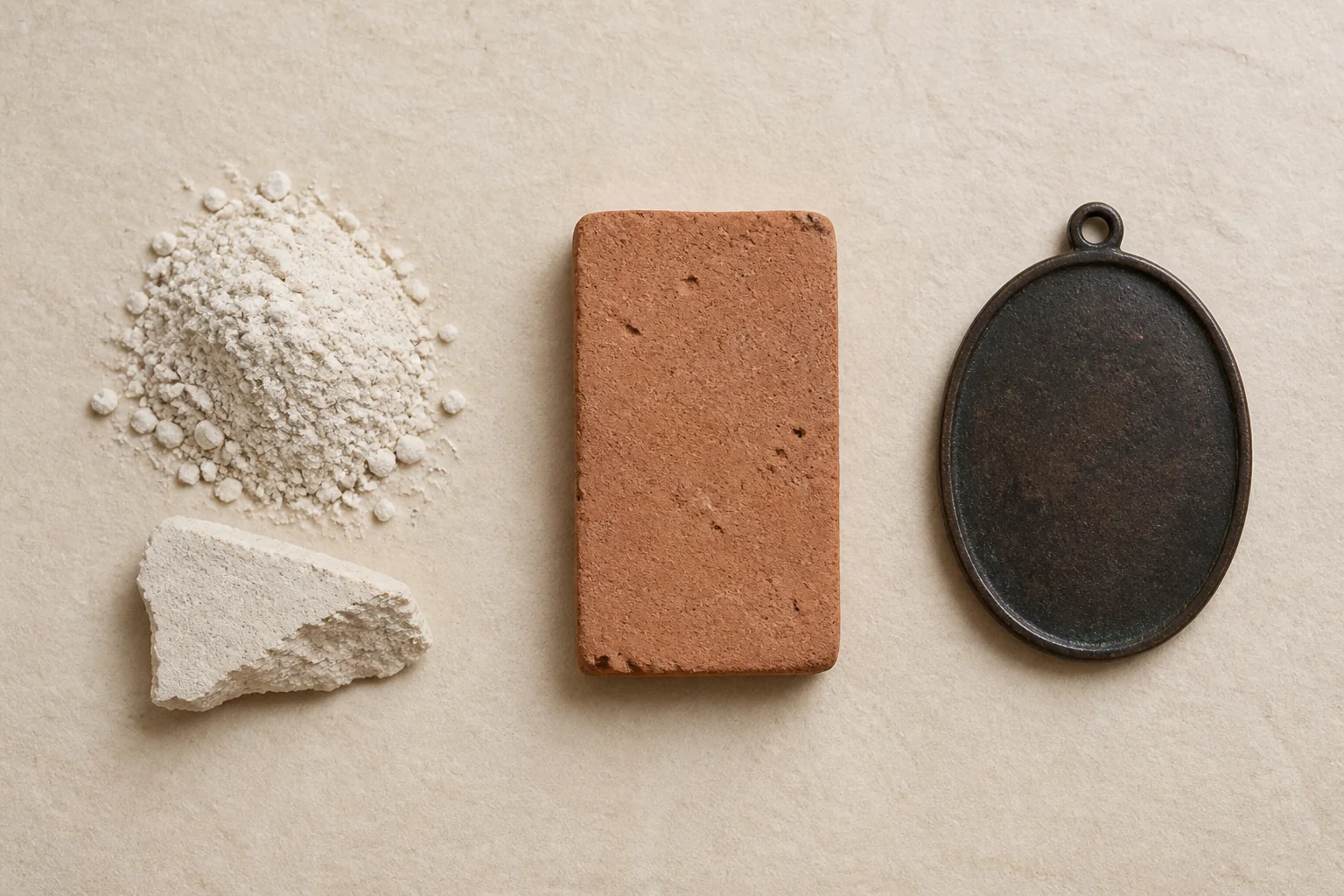
Material is the object’s “flesh”—and part of its history.
Educational visualization · Uninscribed material samples, not sacred artifacts.
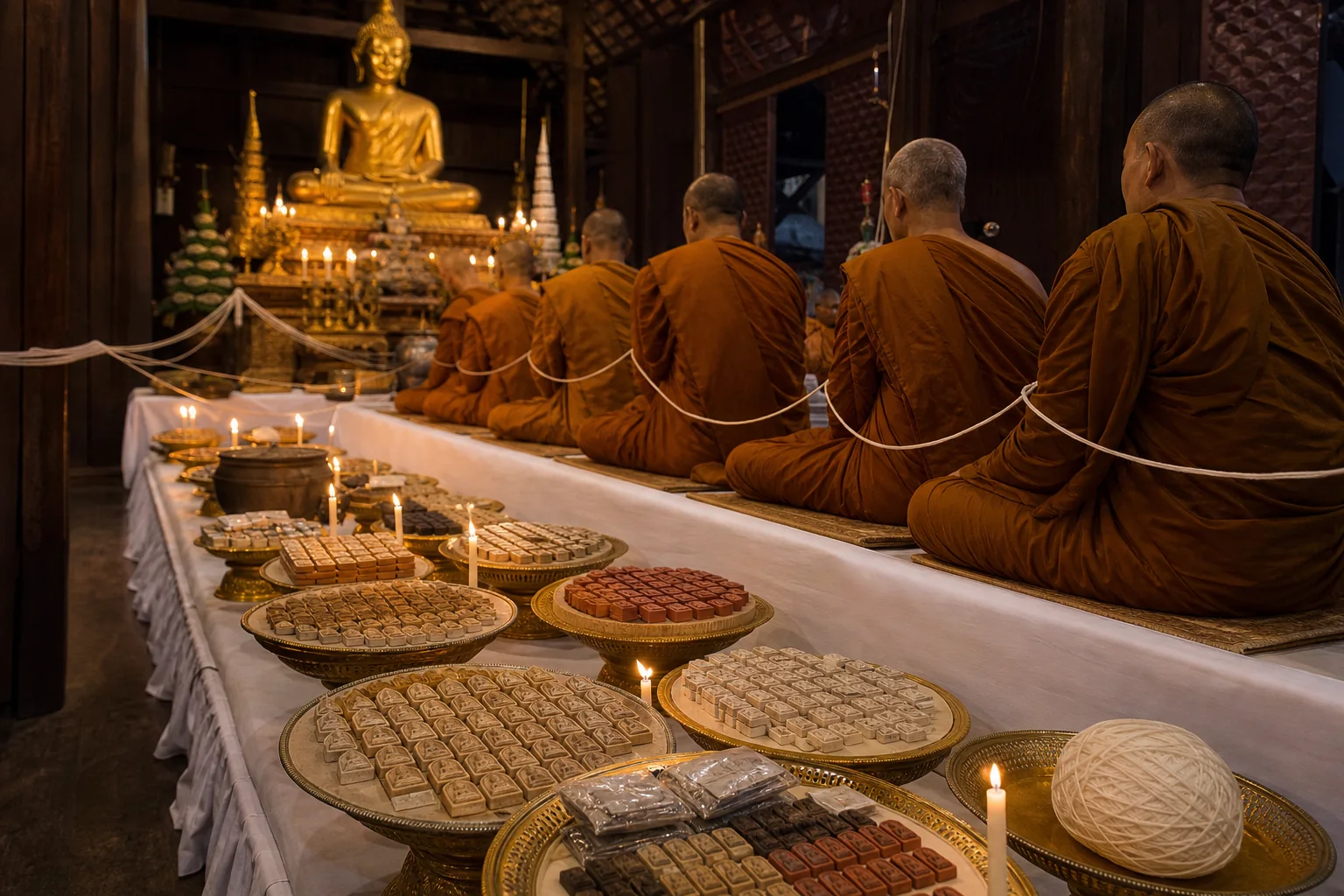
Source-informed reconstruction · A representative consecration arrangement; details vary by lineage and edition.
Ritual, not manufacture
First comes material and form: powder is pressed, clay is fired, metal is cast. Consecration follows. Monks or qualified masters recite, meditate, and formally include the objects within a lineage of practice.
The details vary. Large temple editions may gather many monks and thousands of tablets; a master’s small edition may be blessed quietly. Lokavidu reports what is documented and separates historical evidence from devotional tradition.
Learn how consecration worksBrowse the reference archive
Use the archive to move between the person, place, object, and language behind a subject.
Field notes and practical guides
The canon of five is not a top-five list. It is a map of one region's ancient crypts. The south built its tradition on a different foundation: the named master, the documented ceremony, and the network that carries both.
An altar is an elevated place for the sacred in the home. The arrangement follows one rule, height, and a short daily practice gives it life.
The customs around wearing a Thai amulet are not superstition but courtesy: where it sits, how many you wear, when you take it off, and where it rests at home.
Direct answers
Short answers first. Each question links into a deeper guide.
A small consecrated object, commonly depicting the Buddha, a revered monk, or a sacred design. It is worn or enshrined as a reminder of the Triple Gem and, within the tradition, as a vessel of blessing and protection.
Sacred powders, fired clay, bronze and other alloys, wood, herbal compounds, and combinations of these. The material is called the amulet’s nuea—literally its “flesh.”
After manufacture, monks or qualified ritual masters consecrate the objects through formal recitation, meditation, and lineage-specific ceremony. Creation and consecration are distinct acts.
Keep it high on the body, handle it respectfully, and place it on an elevated clean surface when not worn. Customs vary, but the underlying principle is consistent: sacred objects are kept above the ordinary.
No. Lokavidu is an educational, non-commercial reference. It provides history, terminology, and cultural context—not authentication, appraisal, brokerage, or sales.
Why Lokavidu exists
Lokavidu is written and maintained by Joon Lee from Thailand. The site distinguishes documented history, temple tradition, collector terminology, and devotional belief rather than flattening them into one story.