
Phra Pidta
Multiple temples; not a single-origin type · Multiple masters across traditions
History of the type
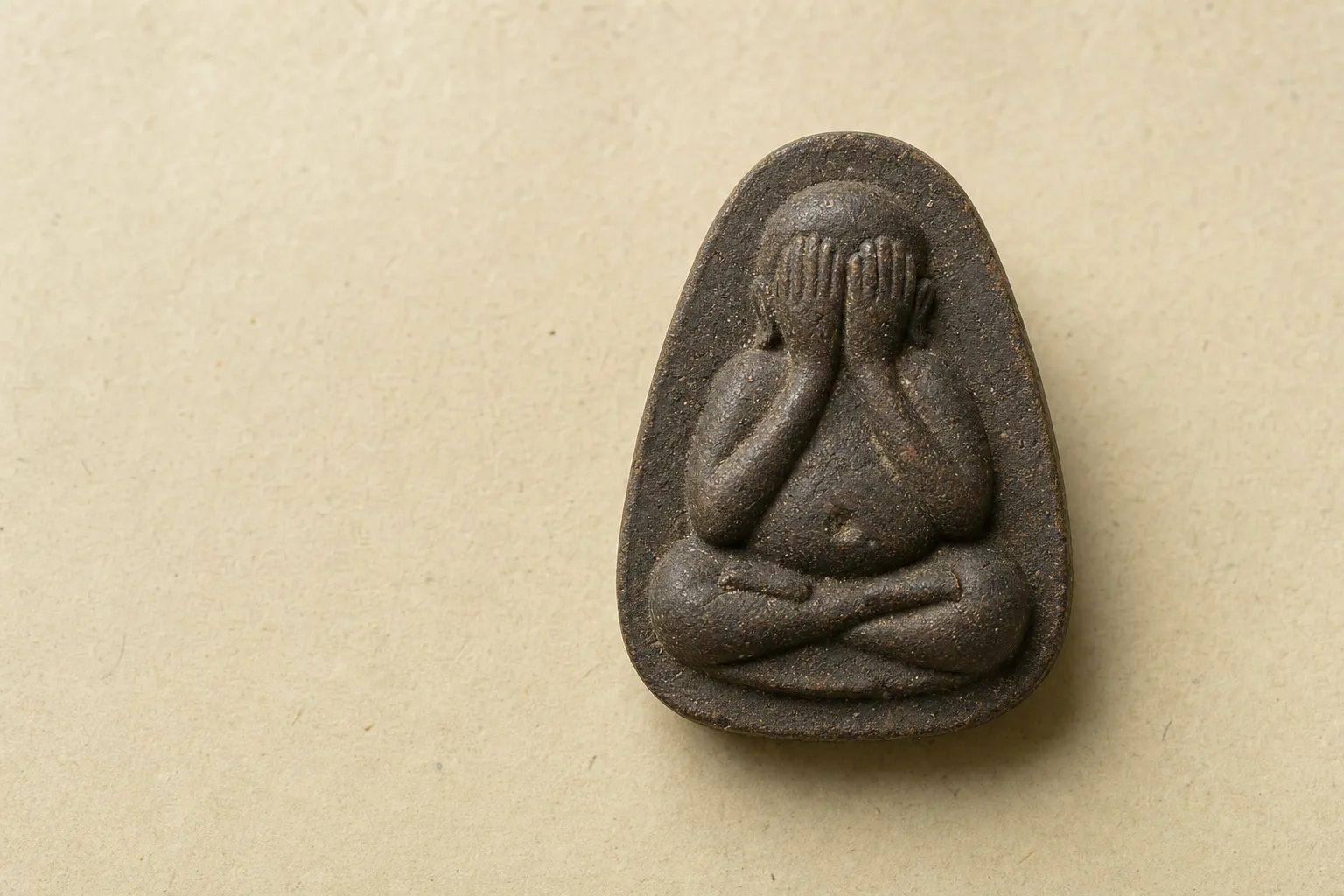
Phra Pidta (พระปิดตา) is a devotional design rather than a single-temple type: a seated Buddha figure raising its hands to cover the eyes and face. The name means "the closed-eye Buddha," and the gesture is read as sealing the six sensory gates, the eyes, ears, nose, tongue, body, and mind, against disturbance and danger. The idea has roots in the Pali teaching on guarding the sense doors, and the amulet translates that inward discipline into a protective form.
Because it is a tradition carried by many masters, the Pidta appears across the country and across every material category. Two lineages tower over the rest. The first is Luang Pu Toh of Wat Pradu Chimplee in Bangkok, whose Pidta are regarded as his signature works, his วัตถุมงคลเอก or foremost sacred objects. The second is the southern Khao Or (เขาอ้อ) academy and its Pidta Maha Ut tradition, associated with Ajahn Pal Palathamo, where the closed-eye figure is tied to the school's reputation for invulnerability practice.
Between these two poles sit countless other makers, which is why the Pidta is better understood as a family of related objects than as one canonical tablet.
Materials and muan sarn
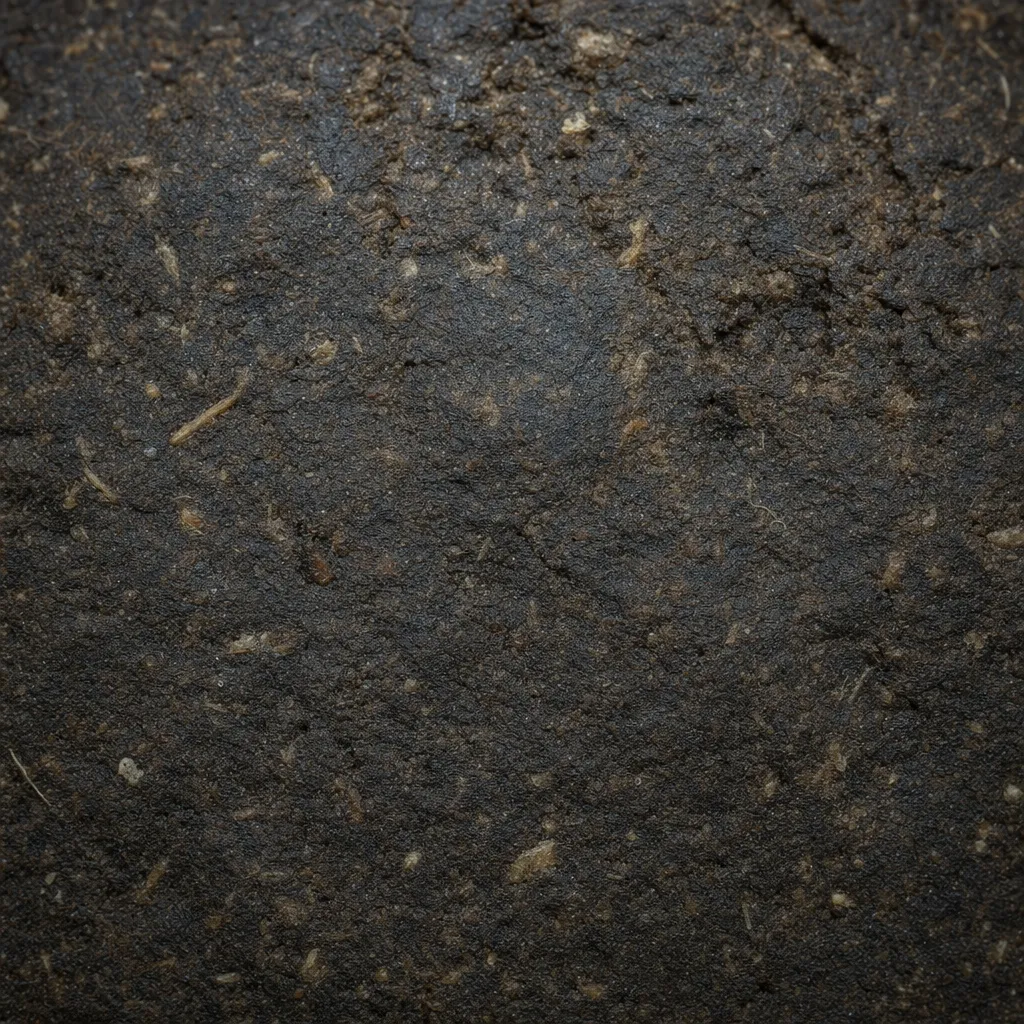
The Pidta spans all the major material families, which is part of its appeal to students of nuea (เนื้อ), the "flesh" or body material of an amulet. It is found in sacred powder (phong, เนื้อผง), in herbal compounds (wan, เนื้อว่าน, including the wan 108 mixtures favoured in the south), in cast metal of various alloys, and in clay. A single master might issue Pidta in several materials across his career.
This breadth means there is no one recipe to describe. What the versions share is the intention behind them rather than a fixed ingredient list, and the specific muan sarn (มวลสาร) depends entirely on the maker and the lineage.
Phim varieties
- Numerous phim across masters and eras (the Pidta is a design tradition rather than a single mould)
Consecration history
As a multi-master tradition, the Pidta has no single consecration history. Each edition carries the ceremony and the reputation of the monk who made it, and in the Khao Or case the closed-eye amulets are bound up with the academy's distinctive rites, including the Sao Ha (เสาร์ห้า) ceremonies held in its cave sanctuary. Devotees hold that the force of a Pidta reflects the barami (บารมี) of its maker, a devotional understanding rather than a documented claim.
Notable editions
- Luang Pu Toh, Pidta Metta Mahasaneh (circa 2518 to 2521 BE)
- Luang Pu Toh, Pidta Maha Lap Jumbo, first batchBE 2520
- Khao Or academy, Pidta Maha Ut tradition (ongoing)
Cultural significance
The Pidta occupies a distinctive niche in Thai devotion. Where many amulets are chosen for charm or fortune, the closed-eye Buddha is associated above all with protection and with kongkraphan (คงกระพัน), the invulnerability that certain traditions attribute to their objects, especially in the southern schools.
The image's inward, self-sealing posture gives it a meaning that collectors and devotees find unusually legible: the senses are shut, and with them the doors through which harm is thought to enter. For newcomers approaching the wider field through an overview of the tradition, the Pidta is a useful case study in how a single gesture can carry an entire protective idea.
Market overview
Genuine Luang Pu Toh Pidta command premium prices among serious collectors, reflecting his standing and the fame of his signature editions. Prices vary widely by master, material, and edition, and the Pidta market as a whole is broad rather than concentrated at a single ceiling. Newly produced Pidta from active temples and living masters remain available for modest sums, so a collector can engage with the tradition at many levels. Where specific figures circulate they should be read as journalistic snapshots tied to a moment rather than fixed values.
Identification notes
Educational context only. LOKAVIDU does not authenticate amulets or issue verdicts.
Because the Pidta exists in so many hands, materials, and eras, it resists any simple checklist, and this profile deliberately gives none. Students of the type work from documented reference examples of a specific master and edition, comparing material, casting or pressing character, and the way age settles into a surface, always with experienced guidance.
LOKAVIDU presents this as historical and cultural background only. We do not authenticate amulets or offer verdicts on individual pieces. That work belongs to specialists handling the objects directly.