
Phra Somdej
Wat Rakhang Kositaram (วัดระฆังโฆสิตาราม), Bangkok · Somdej Phra Phutthachan (To Phrommarangsi), died 2415 BE (1872)
History of the type
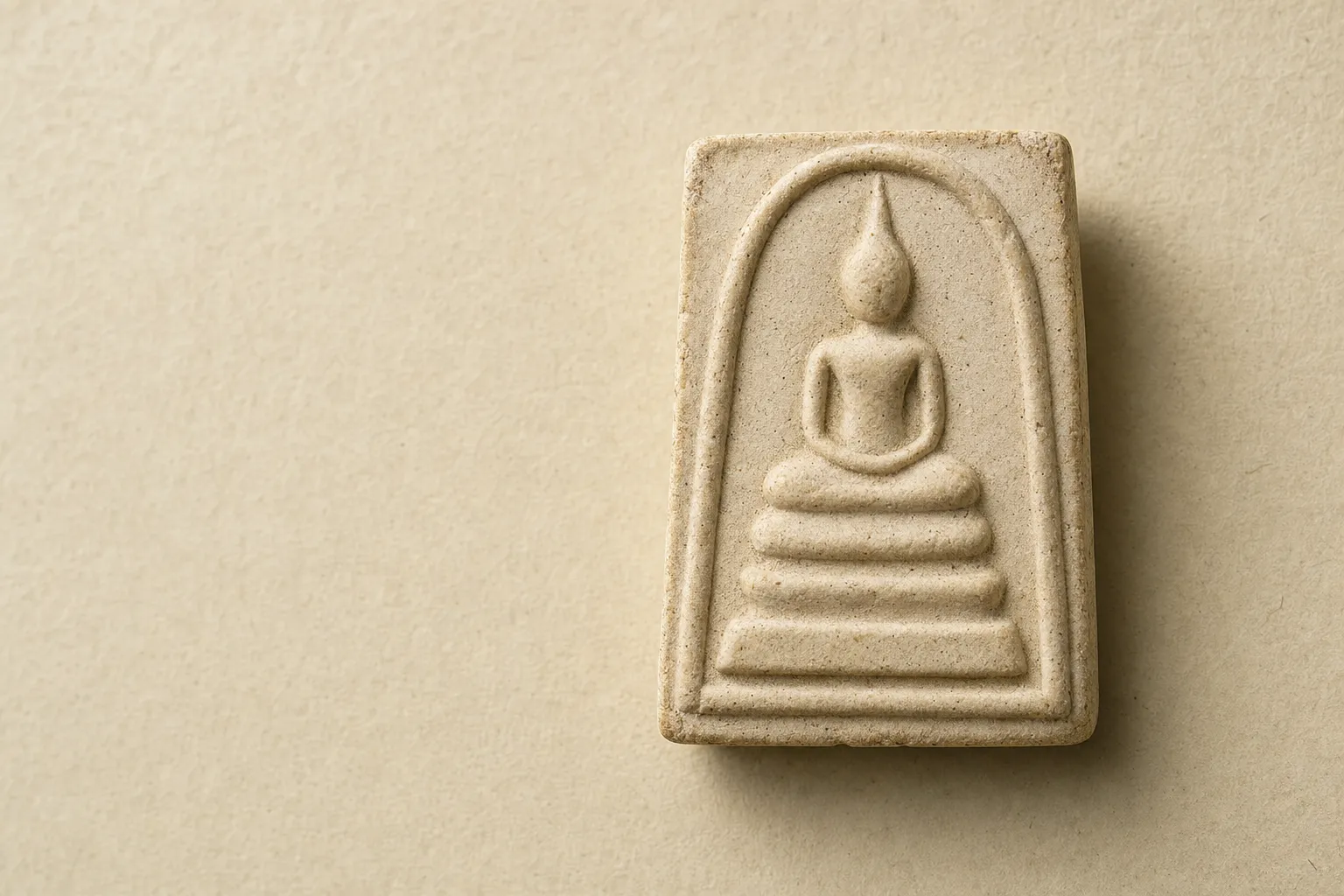
The Phra Somdej (พระสมเด็จ) is the most revered amulet type in Thailand and the acknowledged president of the Benjapakee (เบญจภาคี), the classical set of five canonical amulet types. It was created by Somdej Phra Phutthachan, To Phrommarangsi, the master universally known as Somdej Toh, at Wat Rakhang Kositaram (วัดระฆังโฆสิตาราม) on the Thonburi bank of the Chao Phraya River in Bangkok. Somdej Toh died in 2415 BE (1872), and the tablets he pressed during his lifetime set the pattern for every modern pressed-powder amulet that followed.
The design is disciplined and abstract: a seated Buddha in meditation, resting on a tiered base and framed by a rounded arch. There is no ornament and no narrative scene, only the figure, the base, and the frame. That restraint is exactly why the type became a template. Later makers across the country measured their own work against the proportions and the quiet authority of the Wat Rakhang tablets, and the vocabulary collectors use to discuss powder amulets grew up largely around the study of Somdej, from phim (พิมพ์), the mould that defines a design, to the careful reading of surface and material.
For readers new to the subject, the Phra Somdej is the natural starting point, and the Benjapakee it heads is the framework into which the other four canonical types, Phra Rod, Nang Phaya, Phra Phong Suphan, and Phra Sum Kor (พระซุ้มกอ) of Kamphaeng Phet, are usually placed.
Materials and muan sarn
The Somdej is built from pong wiset (ผงวิเศษ), the five sacred powders, which sit at the heart of its muan sarn (มวลสาร), the compounded sacred material of an amulet. The most storied component is prepared by inscribing yant diagrams on a slate in consecrated chalk while reciting katha, then erasing the writing and collecting the dust, a cycle repeated thousands of times so that the finished powder is in effect an archive of recitation.
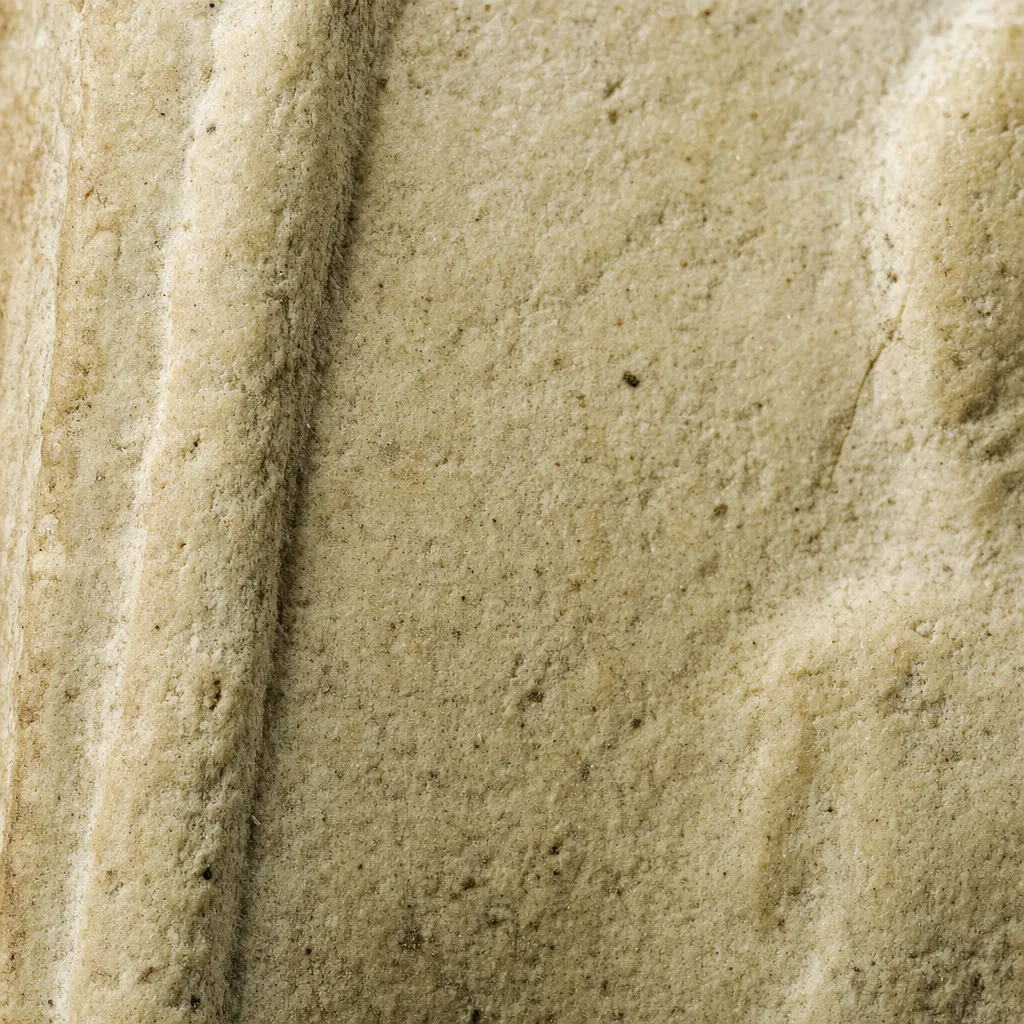
To this core were added shell lime, temple lime, crushed offering flowers, fragments of older sacred objects, and other muan sarn gathered in the monastery. Binders such as tang oil and honey were worked into the mix before pressing. The result is a pale, fine-grained body whose surface character, the nuea (เนื้อ) or "flesh" of the tablet in collector language, is one of the first things students of the type learn to read.
Phim varieties
- Phim Yai (large)
- Phim Kaes (modified)
- Phim Chedi (stupa-form)
- Phim Sam Liam (triangular)
Consecration history
Because production ran across Somdej Toh's long career rather than in a single dated ceremony, the Phra Somdej has no one consecration event to point to. The tablets were made and blessed in stages at Wat Rakhang and associated sites, and the tradition holds that the master's own barami (บารมี), the accumulated spiritual perfection Thai Buddhists attribute to an advanced practitioner, is what gives them their standing. This is a matter of devotional understanding rather than documented record, and it is best reported as what devotees hold rather than as established fact.
Notable editions
- Phra Somdej Wat Rakhang (multiple phim and material variants, lifetime production)
Cultural significance
No object organizes the Thai amulet world as firmly as the Phra Somdej. It stands at the head of the Benjapakee, it is the most collected and most studied amulet in the country, and its maker's rank, Somdej (สมเด็จ), doubles as the highest ecclesiastical title in the Thai sangha below only the Supreme Patriarch.
One point of confusion is worth settling directly. The famous 2497 BE (1954) edition pressed at Wat Chang Hai belongs to the Luang Pu Thuad tradition, not to the Somdej lineage, and the two should never be conflated despite both being landmark powder amulets. New tribute editions in the Somdej form are still pressed at temples today, which keeps the design in continuous living use alongside its revered originals.
Market overview
Genuine Wat Rakhang tablets attributed to Somdej Toh sit at the very top of the market and are discussed in the tens of millions of baht. Thai press coverage has reported headline valuations of THB 100 million (approx USD 2.8 million) and beyond for celebrated examples, as of August 2026. These figures describe a rarefied collector world of documented provenance, not everyday transactions. At the other end of the spectrum, modern tribute editions in the Somdej form are offered at temple counters for modest sums, so the type spans the full range from museum-grade rarity to affordable devotional object.
Identification notes
Educational context only. LOKAVIDU does not authenticate amulets or issue verdicts.
The study of Phra Somdej is a large scholarly field in its own right, and this profile does not attempt to summarize it. In general terms, students of the type learn to consider the phim (the mould and its proportions), the character of the powder body, and the way great age expresses itself on a surface over long periods. Reputable study proceeds slowly, through many documented reference examples and experienced guidance, and entire volumes are devoted to a single recognized phim.
LOKAVIDU offers this strictly as cultural and historical context. We do not authenticate amulets, assess individual pieces, or issue verdicts of any kind. Genuine assessment is the province of specialists working hands-on with the objects.