
LP Jamnian
Luang Phor Jamnian Silasettho (หลวงพ่อจำเนียร สีลเสฏโฐ)
Wat Tham Suea (วัดถ้ำเสือ) · Krabi
Deceased, August 18, 2569 BE (2026)
Path and reputation
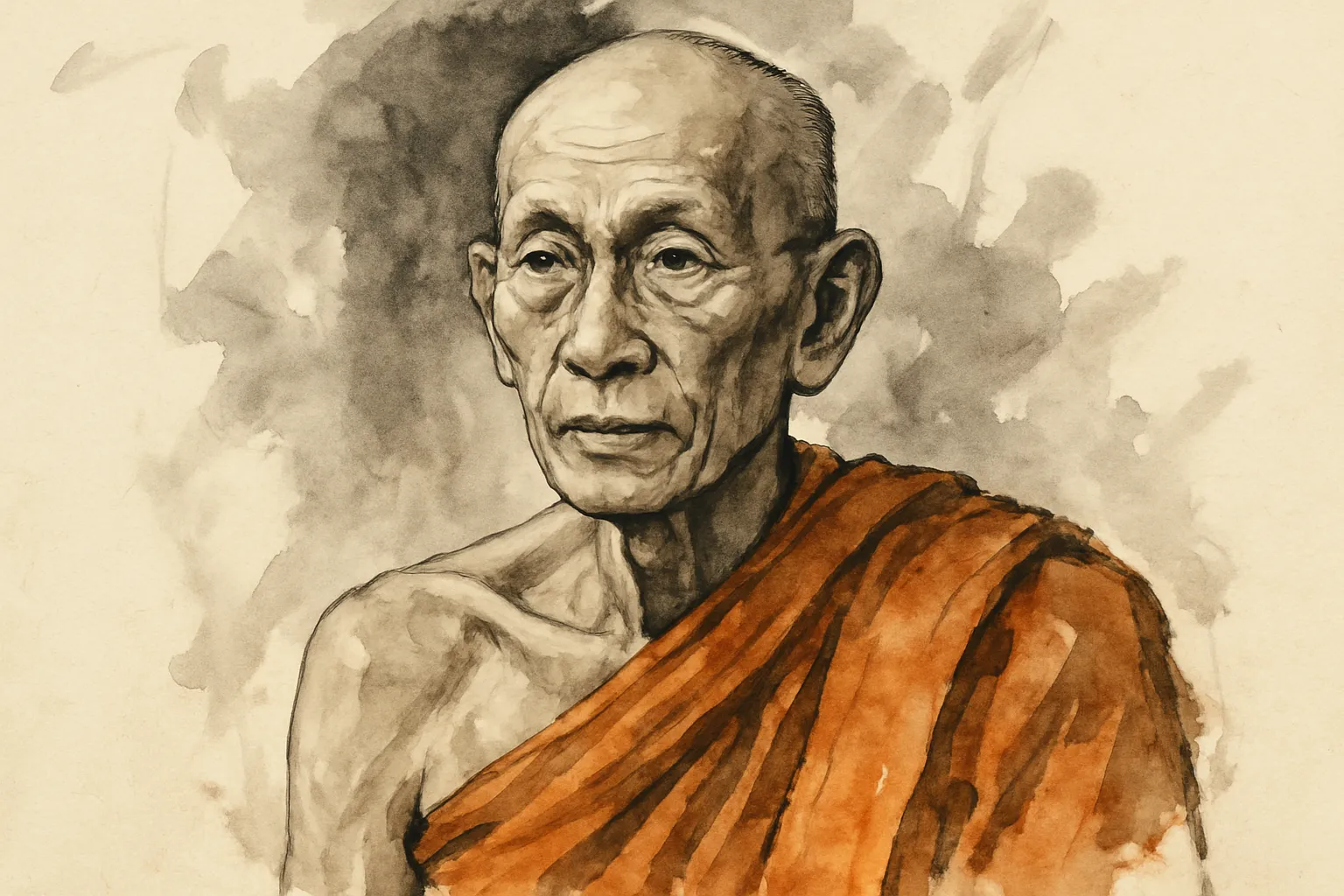
Luang Phor Jamnian Silasettho, known as LP Jamnian, was the senior forest monk of Wat Tham Suea (วัดถ้ำเสือ), the Tiger Cave Temple in Krabi. Born in 2479 BE (1936), he died on 18 August 2569 BE (2026). He studied directly under Phor Than Klai Wajasit, and so carried the Klai corridor of southern lineage in his own practice rather than only by inheritance.
Wat Tham Suea is one of the most visited forest temples in the south, known for the cave complex that gives it its name and for the climb of 1,237 steps to the mountaintop chedi, the stupa that crowns the hill. Because Krabi has an international airport, the temple sits within easy reach of travelers, and LP Jamnian became, for many foreign visitors, their first encounter with a southern forest master and with the amulet tradition that surrounds such a figure.
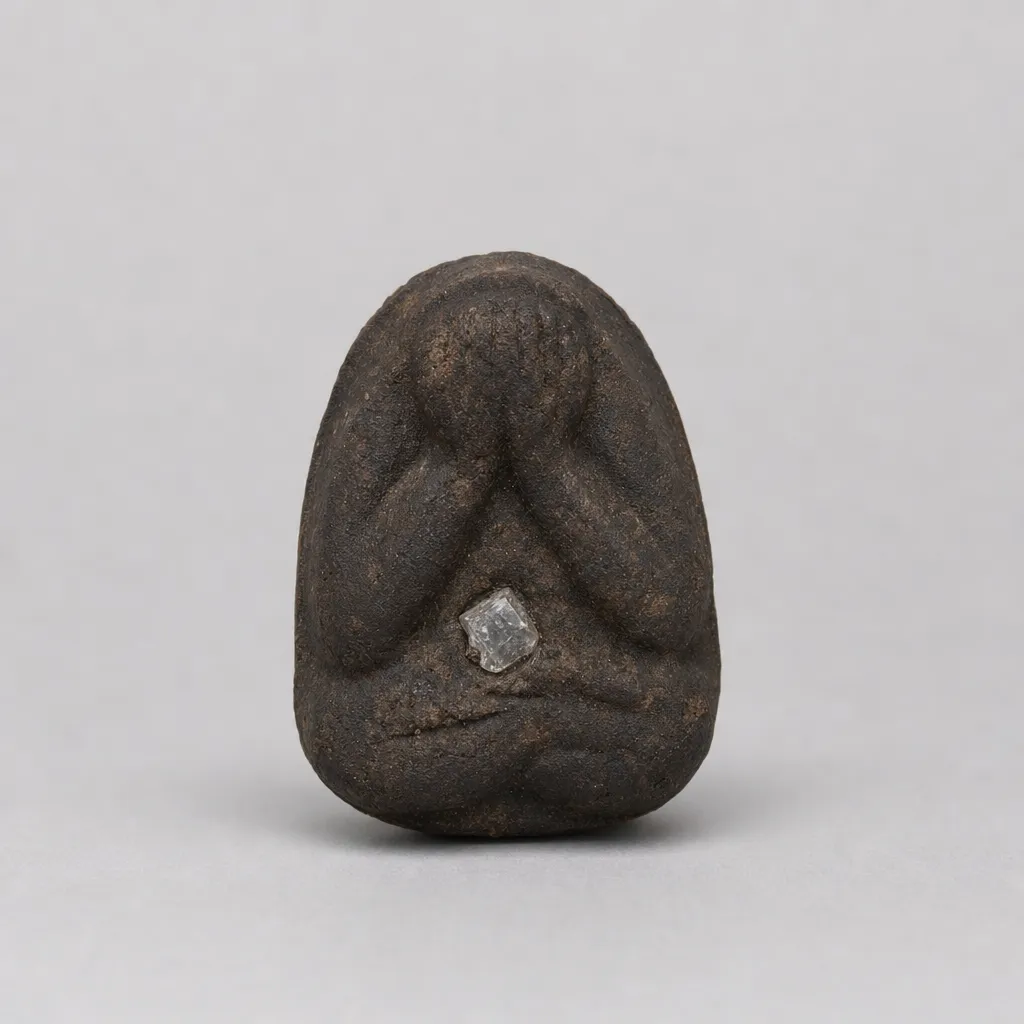
His signature production is a sacred earth amulet, made in nuea din (เนื้อดิน), the clay or earthen body, rather than in metal or pressed powder. The earth itself is the point. It is gathered as din jet pa cha (ดินเจ็ดป่าช้า), earth taken from seven cremation grounds, a material the tradition treats as charged with the gravity of death and therefore with protective force. Into this body he sets phet na thang crystals, small hard inclusions that catch the light within the dark clay. LP Jamnian personally named these pieces Phra Kan Puen, which translates as the bullet-proof Buddha, a name that places them squarely in the tradition's language of invulnerability. Lokavidu reports that naming and the belief attached to it as what devotees hold, not as a claim about what any object can do.
The making of these amulets follows the ordinary logic of consecration. The earthen bodies are pressed and then awakened through pluksek (ปลุกเสก), the meditative empowerment the tradition holds gives a finished object its authority. What distinguishes LP Jamnian's work is less the ceremony than the material: a body built from cremation-ground earth is understood to carry its meaning in its very substance, so that the choice of din, the earthen material, is itself part of the message.
Notable editions
- Sacred earth LP Thuad with embedded phet na thang crystal
- Phra Kan Puen sacred earth Buddha (nuea din)
- Tiger pha yant temple cloth
- Various powder and earthen editions
Legacy
LP Jamnian occupied an unusual position in the amulet world because of where his temple sits. Most of the great southern lineages are followed by a domestic Thai audience and by serious collectors who travel to remote temples on purpose. Wat Tham Suea, by contrast, receives a steady flow of international visitors drawn by the staircase and the cave, and many of them meet the southern earthen tradition here first. His work therefore functioned as a bridge, carrying the Klai corridor and the language of nuea din, the earthen amulet body, to an audience that might otherwise never encounter it.
His pieces also show how much meaning the tradition invests in raw material. The tiger imagery of the temple cloths, the phet na thang crystals set into dark clay, and the din jet pa cha earth are all read as reinforcing a single theme of protection and hardiness. For a reader learning to see amulets as the tradition sees them, LP Jamnian is a clear teacher: his objects say what they mean through their substance, and their name, the bullet-proof Buddha, states the protective claim plainly while leaving the judgment of that claim, as ever, to belief rather than to Lokavidu.
He served as elder of the temple until his death on 18 August 2026. Wat Tham Suea continues to make his earthen pieces and temple cloths available on site. His standing rested on a documented lineage under Phor Than Klai, a distinctive material practice, and a temple whose accessibility carried his name unusually far.
It is worth situating LP Jamnian within the wider southern picture this site documents. The south of Thailand has long been a distinct world within the amulet tradition, with its own academies, its own emphasis on invulnerability and protection, and its own habit of tracing objects through named ceremonies and named teachers. LP Jamnian sat inside that world as a student of Phor Than Klai, which places him in the same broad company as the Klai bloodline monks of the region even though his own signature is a material rather than a coin or a cast image. Where other southern makers are known for metal or powder, he was known for earth, and specifically for earth gathered from places associated with death. That choice is not incidental. It expresses a view common across the southern tradition, that a protective object should be built from materials whose meaning is already grave and serious. A reader who has followed the site's coverage of the southern school will recognize in LP Jamnian a familiar logic worked out in an unfamiliar medium, and will see why his Phra Kan Puen sit so naturally beside the region's other protective specialties.