
LP Koon
Luang Phor Koon Parisuttho (หลวงพ่อคูณ ปริสุทฺโธ)
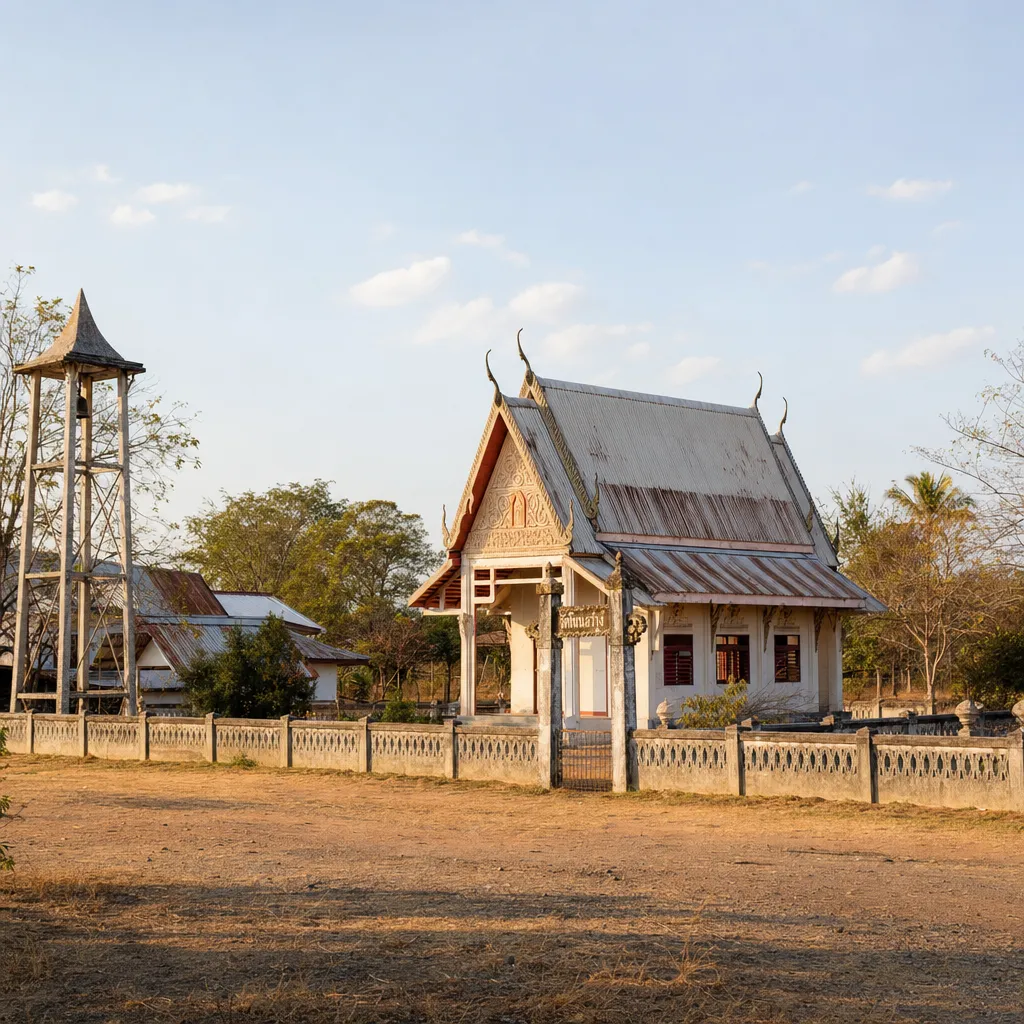
Wat Ban Rai (วัดบ้านไร่) · Nakhon Ratchasima
Deceased, 2558 BE (2015)
Path and reputation
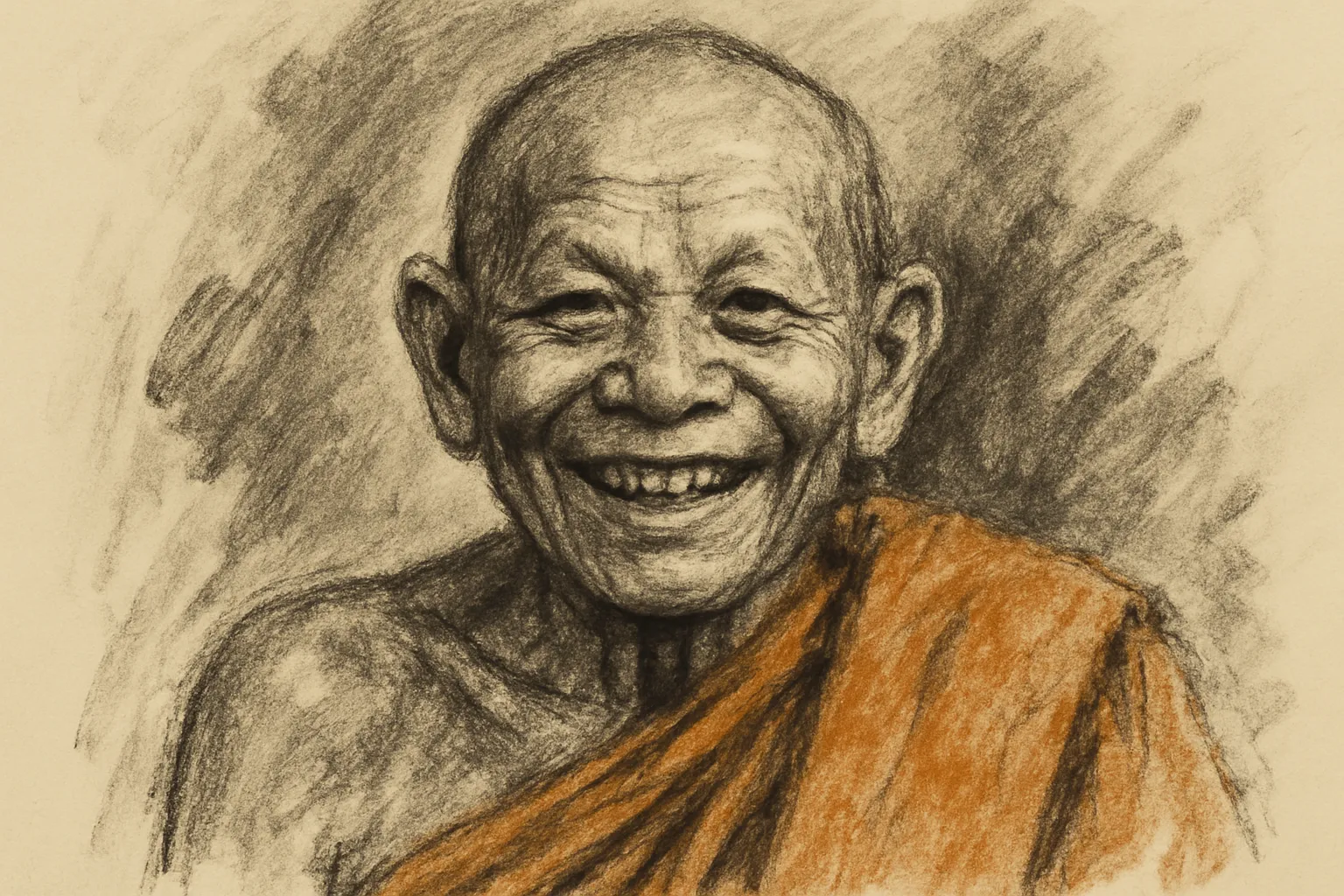
Luang Phor Koon Parisuttho, known as LP Koon, was the great "people's monk" of Thailand. He was born in 2466 BE (1923) and belonged to the Isan (อีสาน) tradition of the northeast, based at Wat Ban Rai (วัดบ้านไร่) in Nakhon Ratchasima, the province often called Korat.
His fame came from character as much as from practice. He was famous for his informal manner, his Isan dialect, and a directness of speech that contrasted sharply with the formal register of Bangkok monasticism. He was beloved precisely for that directness, and his popularity cut across all social classes. In collecting terms he stands alongside Somdej Toh and Luang Pu Thuad as one of the most widely collected monks in Thailand.
He was also a major public benefactor. He gave on an enormous scale to public works, directing billions of baht toward schools, hospitals, roads, and other infrastructure across Nakhon Ratchasima province. Many of his amulet editions were tied directly to those projects, issued to commemorate and support them.
Notable editions
- Numerous coin and powder editions across decades, many commemorating public works projects
Legacy
LP Koon held the monastic title Phra Thep Witthayanrangsi (พระเทพวิทยาคม). He died in 2558 BE (2015), by which time his image had become one of the most familiar in Thai popular devotion.
His amulets are among the most replicated in the market, a direct consequence of how broadly he was loved and how many editions appeared across decades of his life. For a reader, his story is a reminder that an amulet tradition is carried not only by esoteric mastery but by public standing: a monk whose plain speech, generosity, and reach across ordinary Thai life made his coins and powder pieces some of the most collected, and most copied, in the country.