
LP Im
Luang Pu Im Panyawuttho (หลวงปู่อิ่ม ปัญญาวุโธ)
Wat Thung Na Mai (วัดทุ่งนาไหม) · Nakhon Si Thammarat
Living, age 109, as of August 2026
Path and reputation
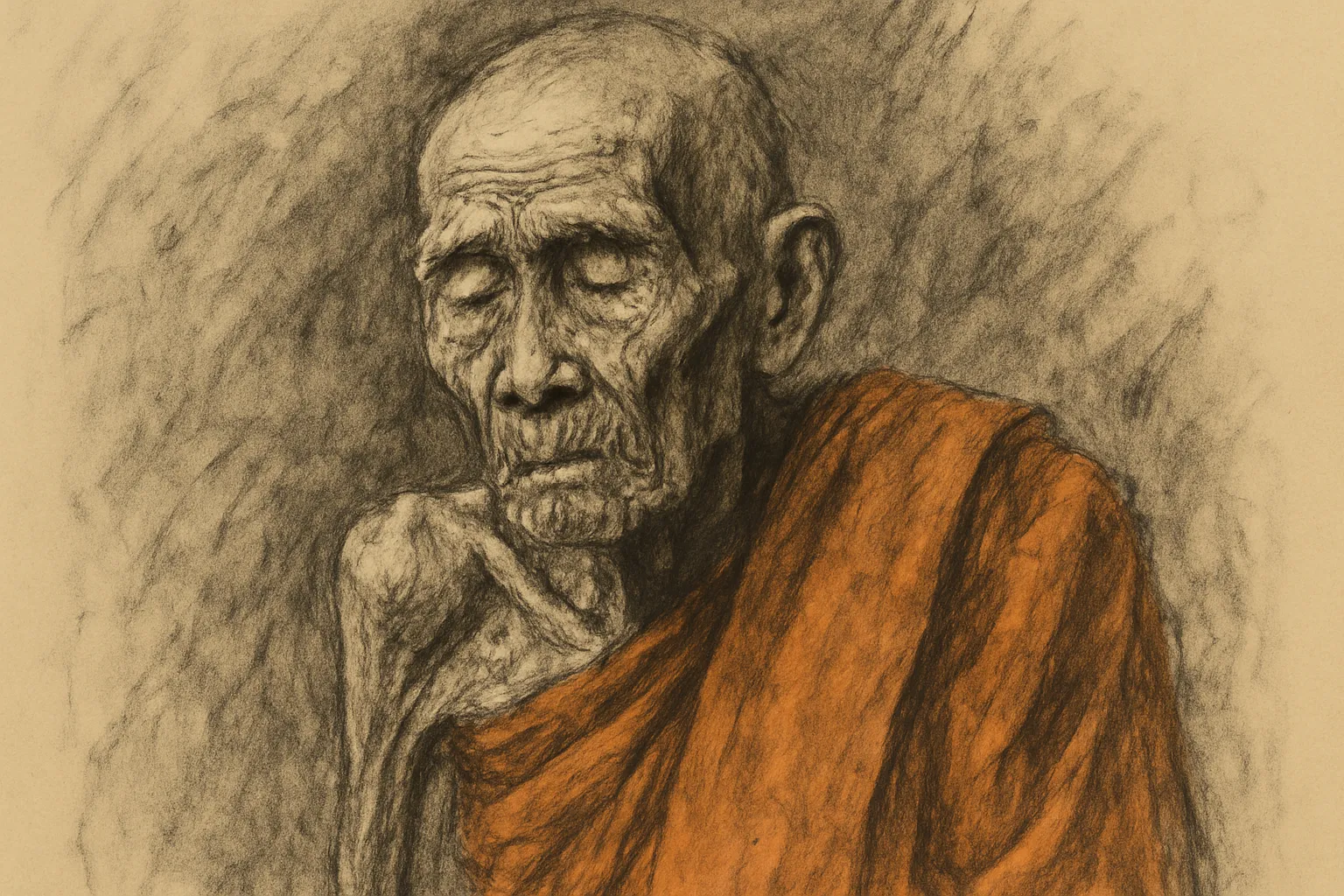
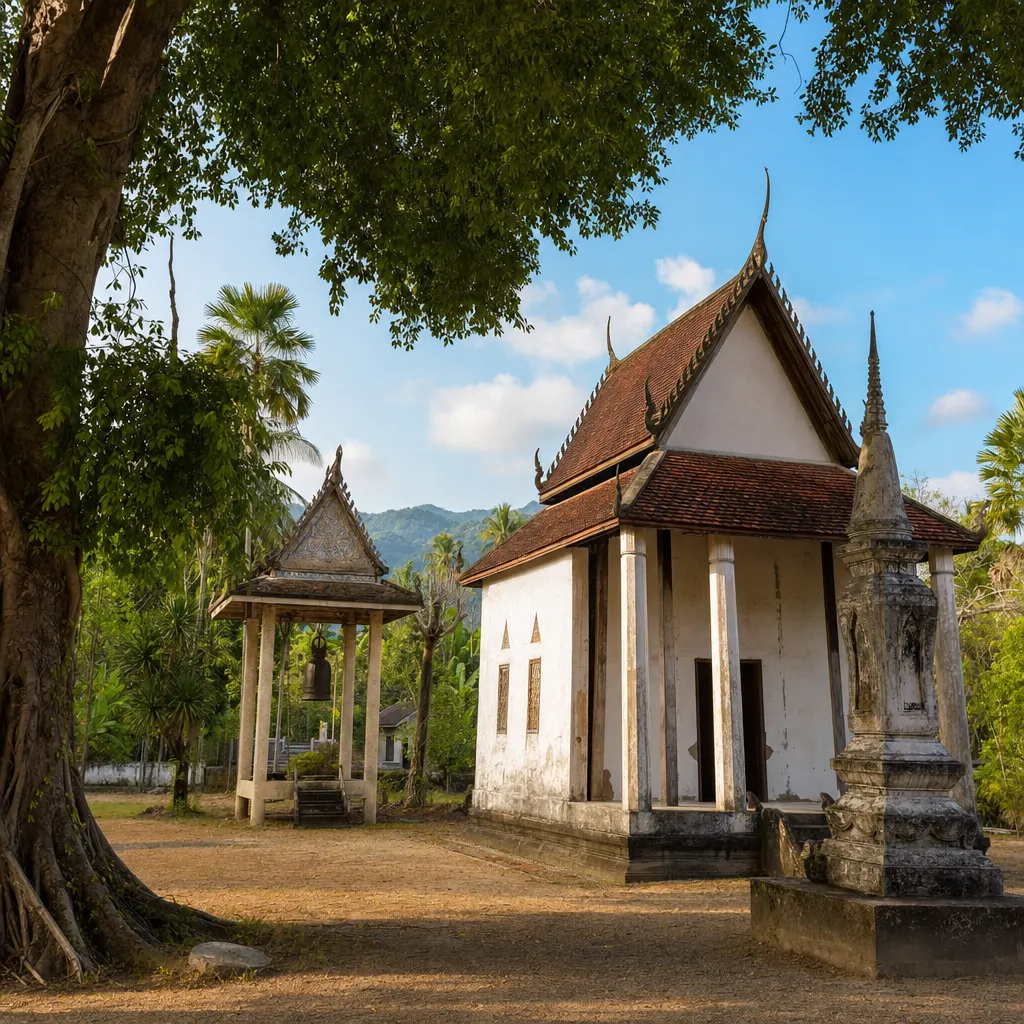
Luang Pu Im Panyawuttho, known to devotees as LP Im, is the abbot-elder of Wat Thung Na Mai (วัดทุ่งนาไหม) in Phipun district, Nakhon Si Thammarat, deep in the southern Thai heartland. Born in 2460 BE (1917), he is one of the oldest living monks in Thailand, age 109 as of August 2026. He is often described as a five-reign monk, a rare figure who has lived through the reigns of Rama VI, VII, VIII, IX, and X, a span that reaches back almost to the founding shape of the modern Thai state.
His importance rests on bloodline as much as on age. LP Im is a grand-nephew of Phor Than Klai Wajasit, the great southern monk whose name is a byword for words that come true, and he is regarded as the direct bloodline continuation of the Klai legacy. Collectors and devotees speak of a Klai-Im corridor, a line of transmission that carries Phor Than Klai's reputation forward through a living relative. That corridor does not stand alone. At the level of ceremony it intersects with the Khao Or school, the southern academy of ritual learning centered on Wat Khao Or in neighboring Phatthalung, so that a single object can carry both the Klai bloodline and the Khao Or consecration tradition at once.
This double inheritance is clearest in LP Im's LP Thuad flat-iron back editions, which are made with a deliberate dual consecration. They are first blessed by LP Im alone at Wat Thung Na Mai, in the quiet of his own temple, and then carried to the Chatthan cave at Wat Khao Or for a Sao Ha ceremony conducted with nine Khao Or masters. Sao Ha, the auspicious grouping built on the number five, is one of the signature rites of the southern school, and the pluksek, the meditative empowerment that the tradition holds awakens an object, is understood by devotees to be doubled in force when performed this way. The provenance of these pieces is therefore unusually legible: two temples, two ceremonies, one continuous southern lineage.
LP Im's late-life production has taken on a valedictory character. His 109-year barami batch, released in 2566 BE (2023), includes a figurine of the monk himself shown shooting the destiny bow, an act the tradition names krasun khot wicha, the release of accumulated wicha, or ritual knowledge, toward a chosen aim. The barami invoked here, the accumulated moral perfection Thai Buddhists attribute to an advanced practitioner, is a matter of devotional understanding rather than documented fact, and is best reported as what the tradition holds. His handprint cloth, the pha roi mue, belongs to the same terminal chapter: a direct-contact relic, made by pressing the living monk's hand to fabric, valued precisely because it can only be produced while he is alive.
Notable editions
- LP Thuad Flat-Iron Back (seven-metal alloy, committee code, 599 made)
- LP Im figurine shooting the destiny bow (first batch, maha chanuan)
- LP Im Nang Kwak Mae Thongkham (108-year batch)
- LP Im Pidta in palm-leaf manuscript powder
- LP Im handprint cloth (pha roi mue)
- Sacred bell and wealth gourd (109-year barami batch)
Legacy
The weight of LP Im's standing comes from a simple fact of timing. He is the last living link to Phor Than Klai's direct bloodline, and when he passes he is, in the tradition's own terms, irreplaceable. No later monk can acquire the one thing that defines him, which is direct kinship with a figure who died generations ago. This is why his terminal-era pieces, the handprint cloth above all, are treated with such seriousness by those who follow the southern lineages: they are the final direct-contact objects of a corridor that closes with him.
His editions also illustrate how a single maker can gather several strands of southern practice into one body of work. The chanuan, the sacred metal offerings and filings that devotees contribute to be melted into an alloy, appears in his figurine described as maha chanuan, a great gathering of such material. The seven-metal LP Thuad backs tie him to the cult of the southern saint Luang Pu Thuad. The Nang Kwak and wealth-gourd pieces reach toward the everyday concerns of livelihood and fortune. Across all of them runs the same provenance logic that makes his work legible: named ceremonies, named collaborators, and a lineage that can be traced by name rather than merely asserted.
For a reader trying to understand why age and kinship carry such value in this world, LP Im is an instructive case. His authority is not a claim about supernatural power, which Lokavidu neither asserts nor endorses, but a documented position within a network of temples, ceremonies, and family descent. That position, and the living link it represents, is what devotees are honoring when they speak of him, as of 2026, as one of the last of his kind.
A note on how such a life is dated is also in order, because the tradition and the catalog do not always speak the same language. LP Im's editions are labeled by his age at the time of release, so that a 108-year batch and a 109-year batch mark successive years of an extraordinarily long life rather than any fixed serial number. Reading his output in that light turns the production history into something like a biography told in objects: each late batch a marker of another year survived, another ceremony sat, another release from a monk the tradition treats as living history. That is part of why devotees handle his terminal-era pieces with such care. As of August 2026, at age 109, LP Im continues to anchor a southern lineage that will lose its direct bloodline link the moment he is gone, and the objects that carry his hand are valued as much for what they record as for what they are held to do.