
Wat Ban Rai
วัดบ้านไร่
Isan / northeastern Thai tradition · Nakhon Ratchasima
Why it matters
Wat Ban Rai, in Nakhon Ratchasima (Korat), is the temple of Luang Phor Koon Parisuttho, the monk so widely loved that he was known as the people's monk. Its importance lies in a dimension of the amulet world that outsiders rarely see: the flow of amulet proceeds back into public life. LP Koon directed billions of baht raised through his amulets into schools, hospitals, and roads across the province, turning devotional demand into rural development on a large scale.
This makes Wat Ban Rai a case study in what the amulet tradition can be beyond collecting. The temple sits at the intersection of religious devotion, popular affection for a single charismatic monk, and concrete social philanthropy. LP Koon's rian, the struck coin amulets, and his many powder editions were produced across decades and in great numbers, and the funds they raised were visibly returned to the communities that bought them. For a reader who thinks of amulets only as objects of trade, Wat Ban Rai reframes them as an engine of merit-making, bucha, the act of reverent offering, expressed at the scale of an entire province.
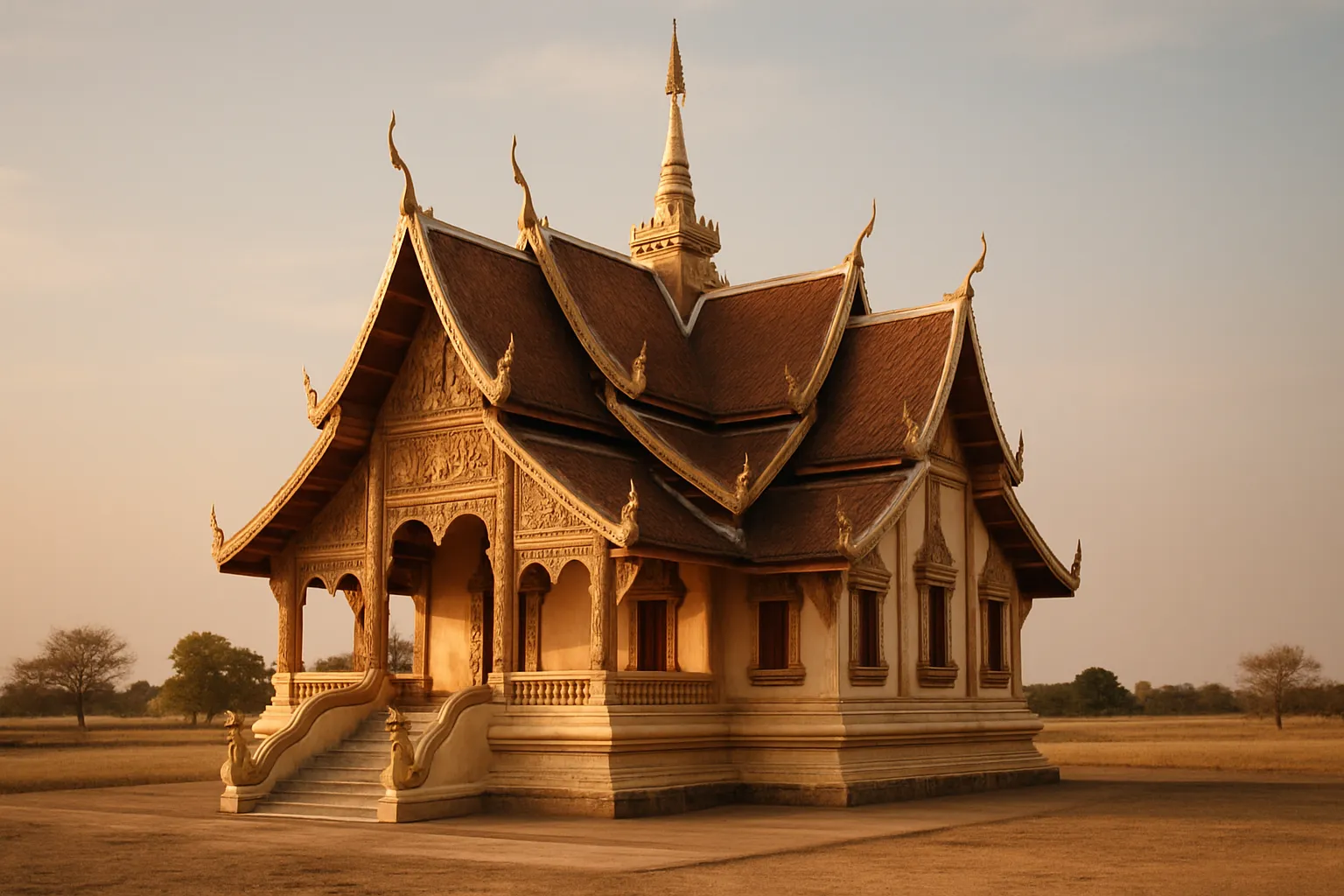
After LP Koon's death in 2558 BE (2015), the temple grounds grew into a large museum and memorial complex honoring him. The site now functions as much as a place of remembrance and civic pride as a working temple, and it draws visitors who come to see how one monk's output reshaped the region around him.
There is a further reason the temple repays attention. The story of LP Koon complicates the easy assumption that amulet production and genuine religious life pull in opposite directions. Here the two were fused. The same coins and powder pieces that collectors prize were, in aggregate, a fundraising mechanism for public works, and LP Koon's plain-spoken, unpretentious manner made him a figure of affection precisely because he seemed indifferent to the money passing through his hands. Wat Ban Rai preserves that memory deliberately, presenting the monk not as a maker of valuable objects but as a conduit through which devotion became schools and hospitals. For a visitor from outside Thailand, the site is a useful corrective to a narrowly transactional picture of the amulet world. It shows that a rian can be at once a collectible, an act of merit, and a brick in a hospital wall, and that in the popular imagination these meanings are not in tension but bound together. The scale of the memorial complex is itself a measure of how deeply that fusion registered with the public who loved him.
What to see
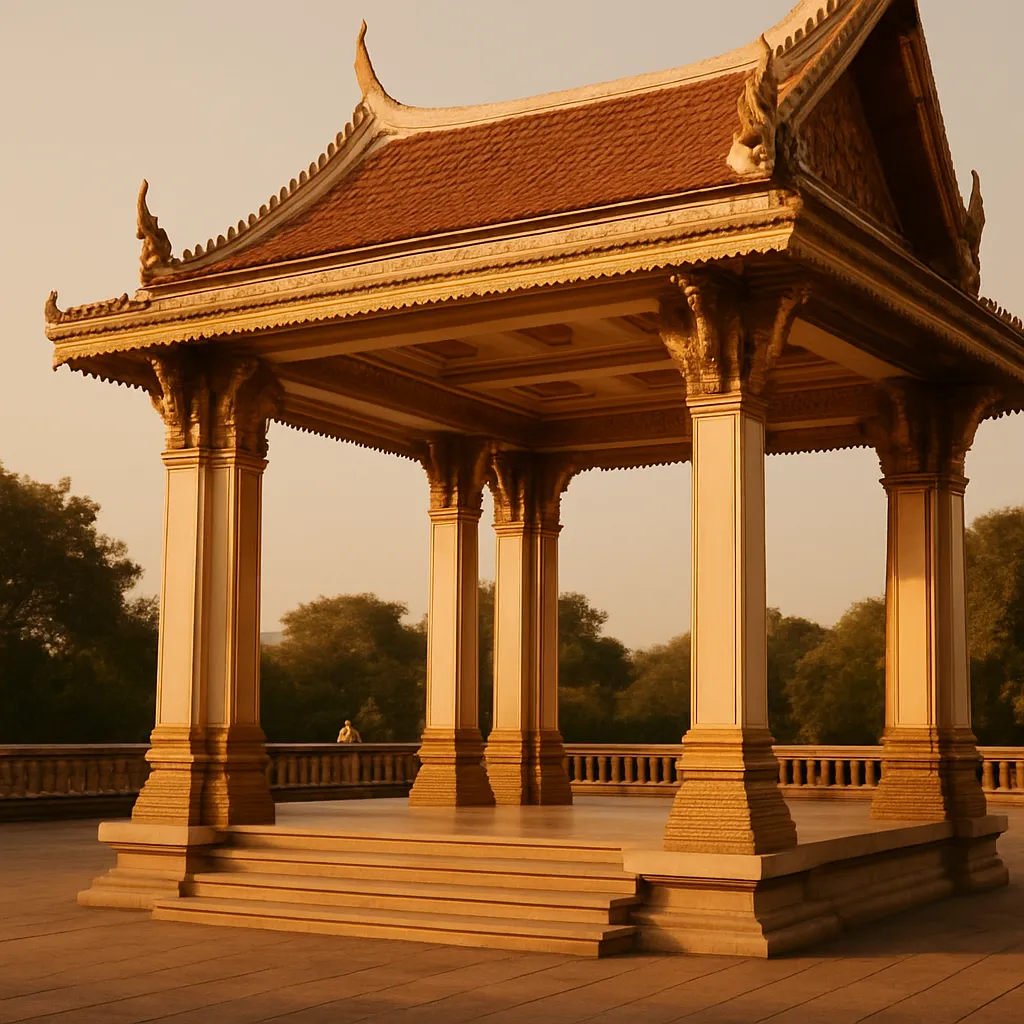
The LP Koon memorial museum is the centerpiece, documenting the monk's life and the public works his amulets funded. The grounds include a distinctive elephant building, an architectural feature that has become a landmark in its own right.
The temple counter carries LP Koon's coin and powder editions, which span decades of production. Seen together with the museum, they tell a single story: the rian in the case and the hospital down the road are two ends of the same devotional economy.
The complex is busy, especially on weekends and merit-making days, so it is worth arriving with time to walk the grounds slowly. The elephant building and the memorial museum are best seen together, since each explains the other: the architecture announces the temple's public ambition, and the museum supplies the story of the amulets and the public works that paid for it. Taken as a whole, the site reads less like a shrine to a monk than like a monument to what his devotees, coin by coin, built together.
Access
Wat Ban Rai is in Nakhon Ratchasima province in the Isan northeast, reachable by road from Korat. It is an accessible and popular destination, busier and more public-facing than the remote southern temples of the amulet world.