
Wat Don Sala
วัดดอนศาลา
Khao Or network · Phatthalung
Why it matters
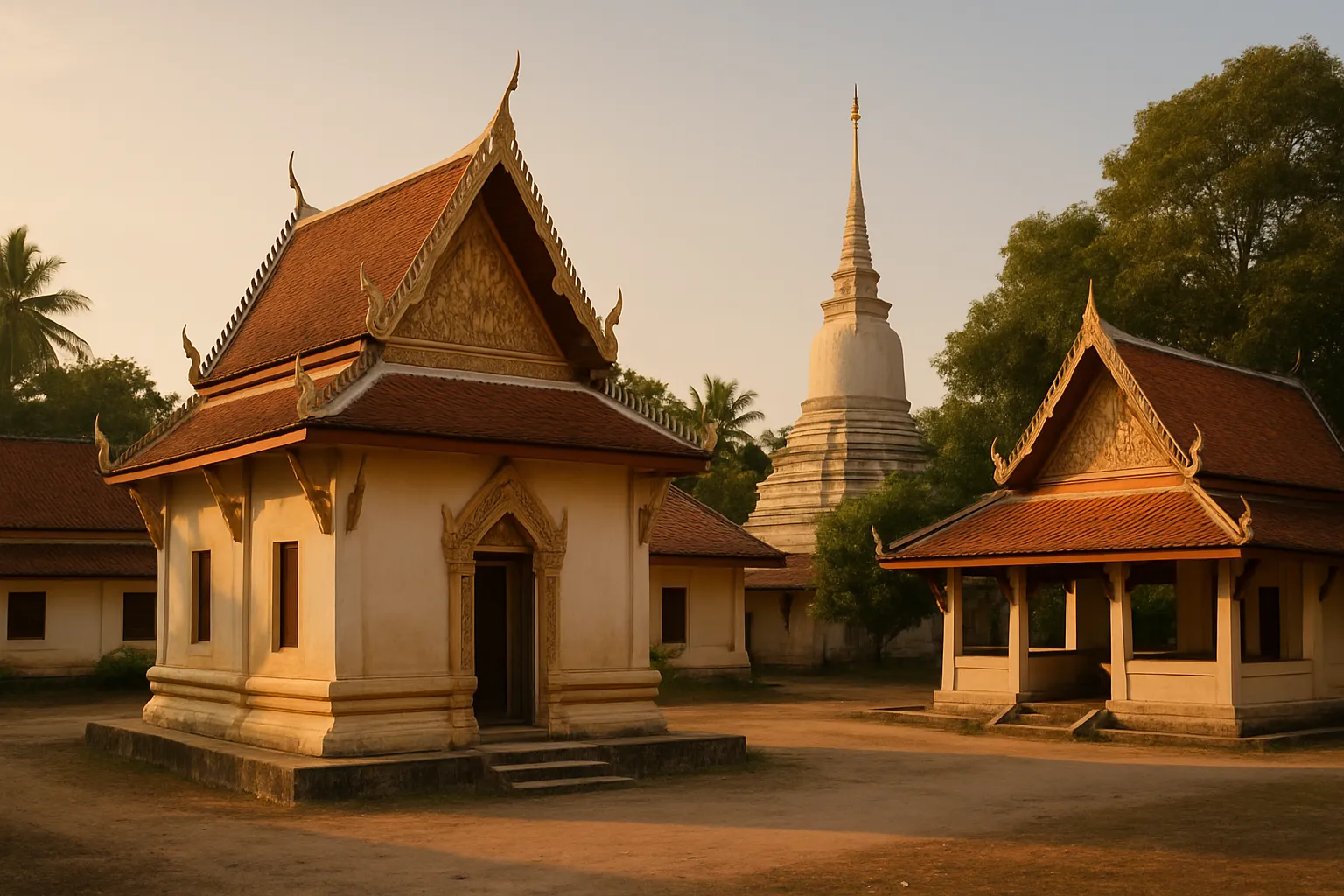
Wat Don Sala, in the Khuan Khanun district of Phatthalung, is one of the key temples in the Khao Or constellation, the cluster of southern sites that share the ritual learning of the Khao Or school. It stands alongside Wat Khao Or itself and Wat Phu Khao Thong as a working center of that tradition rather than a mere satellite of it.
Much of its present reputation runs through Ajahn Plian Hatthayannon, the lay master and chairman who operates from Wat Don Sala as well as from Wat Khao Or. The Khao Or school is unusual in Thai religion for the prominence it gives to accomplished lay ritualists, and Wat Don Sala is one of the places where that lay authority is most visible. The temple produces amulets under the Phor Than Nam lineage, the historical line of teachers from which its wicha, the ritual knowledge the tradition holds is passed from master to student, descends. It also serves as a site for Khao Or consecration ceremonies, so that objects begun elsewhere are often completed here.
For collectors who follow the Khao Or thesis, that a piece is best understood through the academy and the ceremony behind it, Wat Don Sala is where a number of well-known daily-wear objects originate. The Pidta Wan 108, the diamond armor takrut, and the southern Khun Paen powder editions are all associated with the temple. The ancestral hall, the sala burapha-charn, hosts the consecration of the diamond armor takrut in particular, and the takrut, the tightly rolled inscribed metal scroll, is one of the forms most closely tied to the school's protective specialties.
Understanding Wat Don Sala means understanding the Khao Or school's peculiar shape. Unlike lineages organized around a single famous abbot, the Khao Or tradition is a body of ritual knowledge, wicha, held and transmitted by a community of teachers, many of them laymen who have spent decades mastering its texts and ceremonies. Wat Don Sala is one of the physical homes of that community, a place where the knowledge is not merely stored but practiced. The Pidta Wan 108, built from a formula of many herbal ingredients, and the Khun Paen powder editions, associated with charm and goodwill, both belong to this shared repertoire rather than to any one maker. When a piece is described as originating at Wat Don Sala, the claim is really about the ceremony and the lineage of knowledge behind it, which is precisely the way the southern school asks its objects to be read. For the collector, that shifts attention away from a single signature and toward the whole apparatus of teachers, texts, and consecration halls that stands behind a southern amulet.
What to see
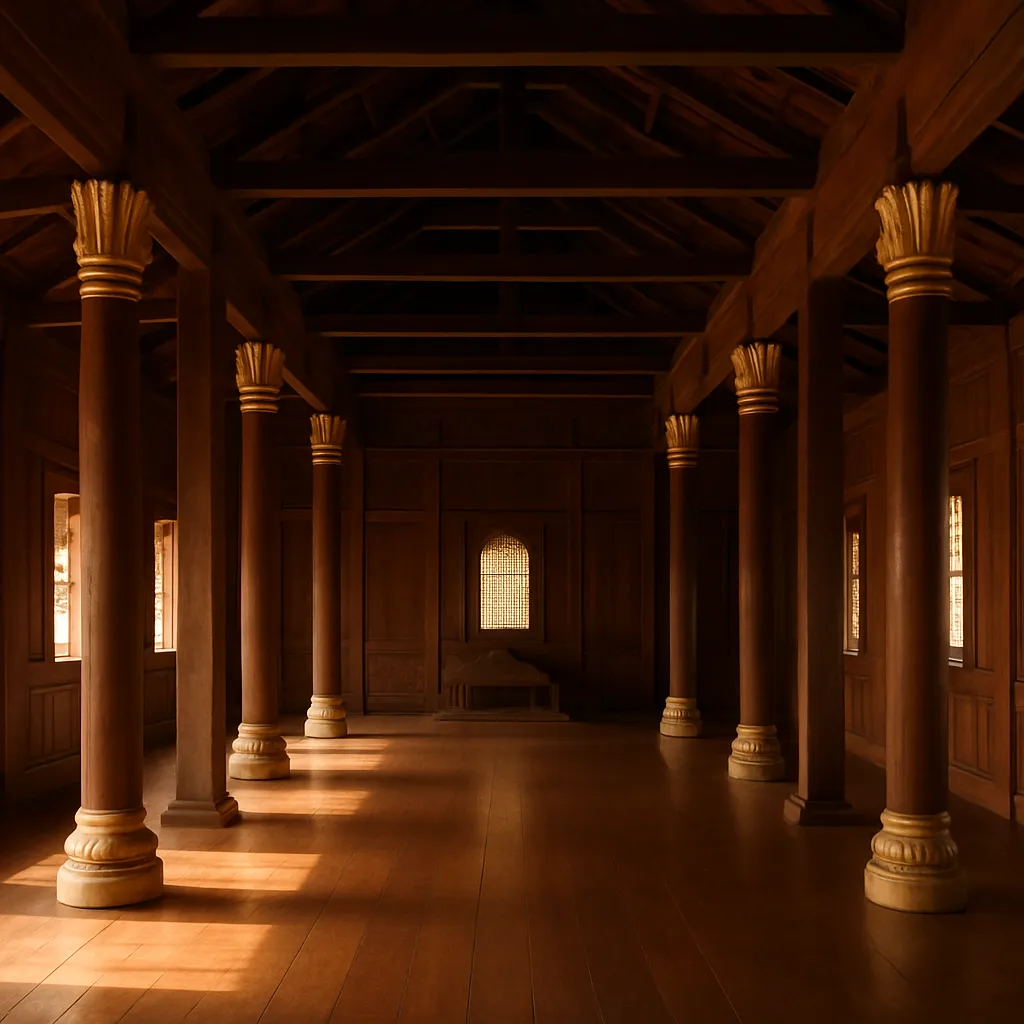
The ancestral hall is the heart of the site, the room where the lineage teachers are honored and where the diamond armor takrut ceremonies take place. It rewards a quiet, respectful visit.
The temple counter carries Khao Or school productions, generally at modest cost, and the grounds connect the temple outward into the wider Khuan Khanun landscape that ties the southern network together. A visitor with an eye for the Khao Or tradition will find Wat Don Sala a more intimate counterpart to the better-known Wat Khao Or nearby. Those approaching for the first time do well to treat it as a place of study as much as of devotion, since its significance lies in the ceremonies and the lineage of knowledge it houses rather than in any single dramatic sight to be photographed.
Access
Wat Don Sala is in the Khuan Khanun district of Phatthalung, in southern Thailand, within reach of the other Khao Or network temples. It is best approached as part of a wider circuit of the southern school rather than as a single destination.