
Wat Suan Khan
วัดสวนขัน
Southern Thai / Phor Than Klai origin temple · Nakhon Si Thammarat
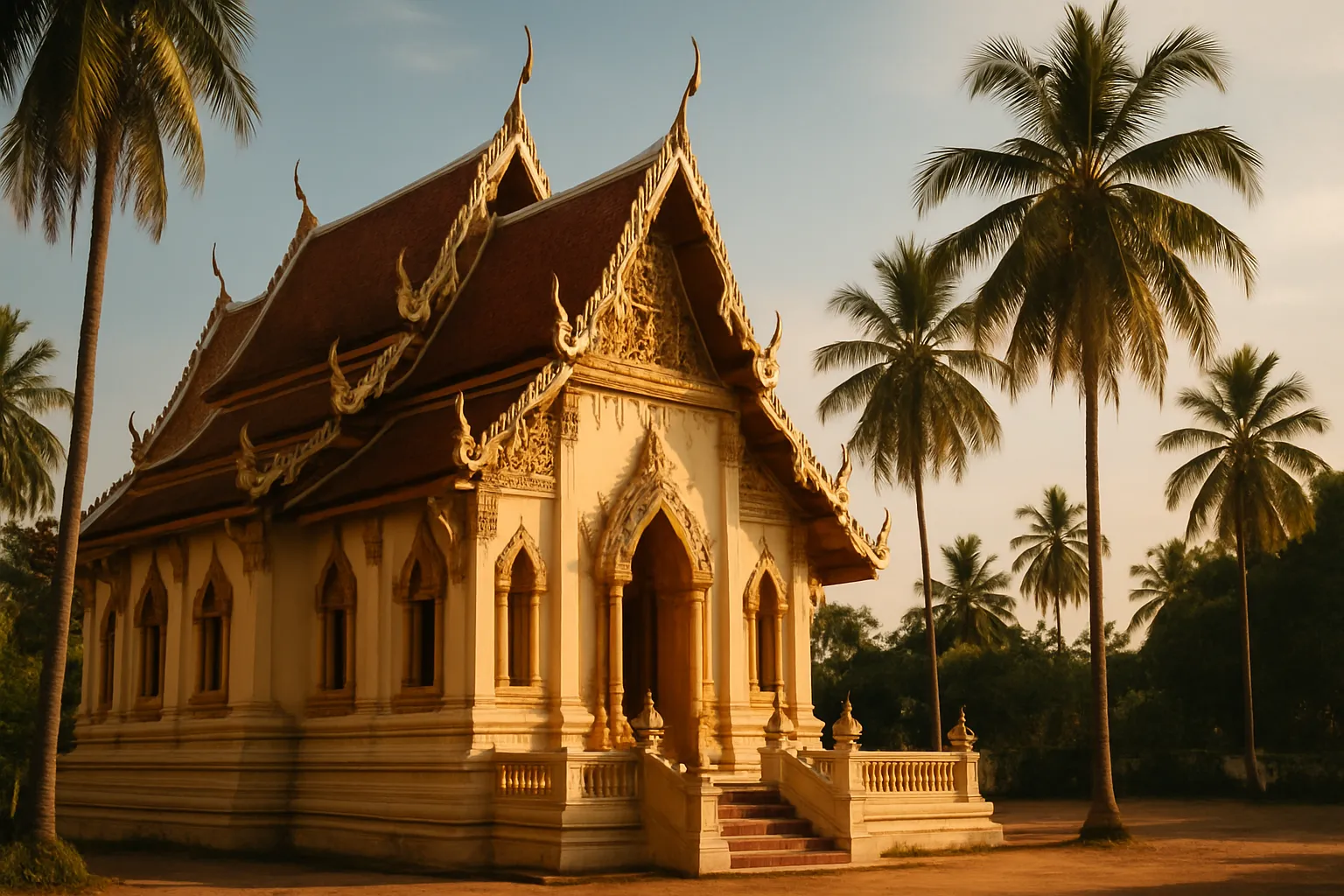
Why it matters
Wat Suan Khan, in Nakhon Si Thammarat, is the origin temple of Phor Than Klai Wajasit, the great southern monk whose title Wajasit is understood to mean one whose words come true. It is where LP Klai spent his monastic life and produced his sacred objects, and for that reason it is a primary node in the map of southern Thai monasticism rather than a secondary shrine.
The temple matters most as the source of a lineage. The Klai line runs outward from Wat Suan Khan through a series of well-known southern temples and monks: through Luang Pu Im at Wat Thung Na Mai, who carries the bloodline directly, through LP Jamnian at Wat Tham Suea, who studied under LP Klai, and through LP Chuen at Wat Nai Prap. Anyone tracing that network is really tracing lines that begin here. The barami, the accumulated moral perfection the tradition attributes to Phor Than Klai, is the reputation that all of these later temples draw upon, and Wat Suan Khan is where it was first established.
LP Klai's own productions, his coins, powder amulets, and takrut, were made and consecrated in this setting, and the pluksek, the meditative empowerment the tradition holds gives an object its authority, was performed here during his lifetime. Later commemorative editions honor that origin. For a collector, the value of the temple is that it grounds a whole regional tradition in a single, locatable source.
That grounding function is worth dwelling on, because the southern network can otherwise seem like a web of names without a center. Wat Tham Suea, Wat Thung Na Mai, Wat Khao Or, and the monks attached to each are easier to hold in mind once they are understood as branches from a trunk, and Wat Suan Khan is the trunk. Phor Than Klai's reputation for words that come true gave the whole corridor its founding authority, and the temples downstream have spent generations drawing on it. Visiting Wat Suan Khan therefore changes how the rest of the southern map reads: the later temples stop looking like independent centers and start looking like a family, each carrying forward some portion of what began here. For the reader following Lokavidu's southern coverage, the temple is less a destination in its own right than a key that unlocks the others, the place where the barami that circulates through the Klai corridor can be traced back to its origin in a single monk and a single provincial temple.
What to see
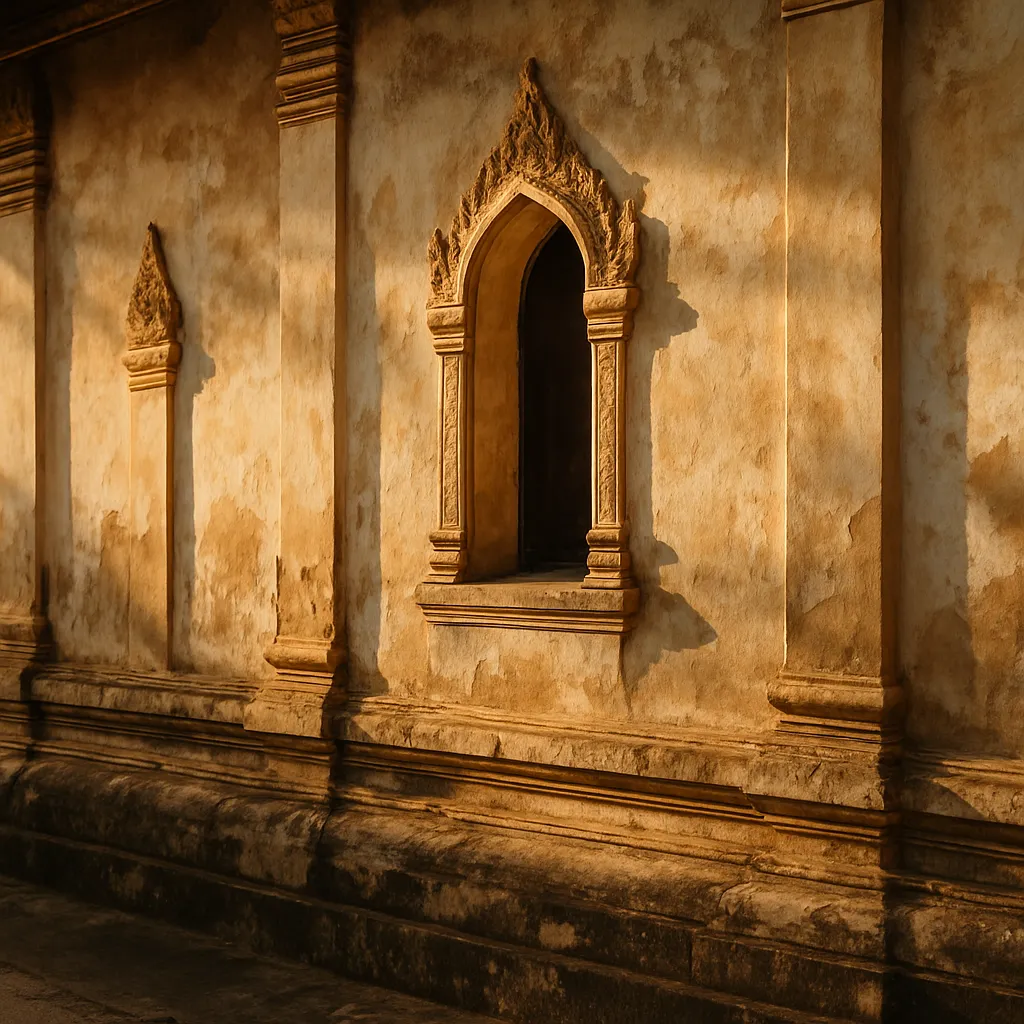
LP Klai's memorial shrine is the focus of a visit, the place where the monk who anchors the southern network is honored. The grounds retain the character of a working provincial temple rather than a polished monument.
The temple counter carries commemorative editions connected to Phor Than Klai. Seen in context, they are less trophies than markers of origin, tying the visitor back to the point from which the Klai corridor extends across the south.
Because Wat Suan Khan is a working provincial temple rather than a major pilgrimage site, a visit here is quieter and less mediated than at the larger temples of the network. That quiet is part of its value. It lets a visitor feel the modest origins from which an entire southern lineage grew, and it keeps the focus on Phor Than Klai himself rather than on the apparatus of remembrance that has gathered around better-known figures elsewhere in the south.
Access
Wat Suan Khan is in Nakhon Si Thammarat province in southern Thailand. Like the other temples of the Klai corridor, it rewards a visitor who arrives already understanding the lineage, and it is best seen as one stop on a wider southern circuit that includes Wat Thung Na Mai and Wat Tham Suea.