

If the ancient molded tablet is the aristocrat of the Thai amulet world, the rian is its citizen. It is the format most Thais actually wear, the one issued by temples across the country every year, and the one a newcomer is most likely to be handed first. A rian (เหรียญ) is, literally, a coin: a pressed or struck metal amulet, and its rise is one of the defining developments of the modern era described in the Amulets 101 guide.
What It Is
The word rian means coin, and the object looks the part. It is a metal disc or medallion, struck rather than molded, and it follows a consistent design logic. The front typically carries the portrait of a revered monk, and the back carries a yant diagram, an image of the issuing temple, or a seated Buddha. The glossary entry on the rian sets out the term in brief; the essential point is that a rian is a portrait amulet in metal.
That portrait is the heart of the format. Where an older tablet shows a serene, generic sacred image, a rian shows a specific, recognizable person: the abbot or the famous master whose blessing the edition carries. The amulet becomes, in effect, a struck likeness of the monk who made it.
Reading the Back
The front carries the portrait that gives the format its identity, but the back carries information just as important to how a piece is read. A yant diagram, sacred script combining Khom characters and numerals, is the most common back design, and the specific yant a temple chooses often marks a particular edition or occasion. Other rian carry an image of the issuing temple’s main hall, a seated Buddha image, or a short inscription giving the temple’s name and the year of striking.
For anyone learning to identify a rian, the back is where the object’s origin is documented in the metal itself. Collectors read the back alongside the front: the combination of a specific portrait, a specific yant or temple image, a particular metal, and a particular edge finish is what locates an individual coin inside a named batch. Two coins can share a front die and still belong to different editions if their backs differ, which is why serious study of a rian never stops at the portrait.
How It Differs From Other Amulets
Two features set the rian apart from the molded tablets that dominate the classical tradition. It is metal, and it is struck, pressed between engraved dies the way a national coin is minted, rather than pressed into a mold from powder or clay.

This makes the rian the most common format for modern temple-issue amulets, and it is fair to call it the democratization of the amulet world. A struck coin can be produced in quantity, issued in a documented edition, and distributed for a modest sum, which put a personal sacred object within reach of ordinary devotees in a way the rare classical tablets never were. The rian is the amulet as everyday devotional object.
A Brief History of the Format
Struck metal coins entered the Thai devotional world during the reign of King Rama V (2411 to 2453 BE, 1868 to 1910), when commemorative Buddha-image coins struck in the Western minting style began appearing around 2440 BE (1897). The technique, adapted from the machinery used to strike national currency, was new to a tradition that had produced its sacred objects by molding and casting for centuries.
The convention that defines the modern rian, a struck coin bearing not a generic Buddha image but the portrait of a specific monk, took shape in the decades that followed. Luang Phor Ngern Janthasiri of Wat Bang Khlan, Phichit, is remembered as one of the founding names of that shift. His earliest struck coins, produced at Wat Bang Khlan in the years around 2450 to 2460 BE (1907 to 1917), rank among the pieces that moved the amulet world from an image of the Buddha to a portrait of a named teacher, an object meant to carry that teacher’s barami, the accumulated moral force the tradition attributes to a senior monk. The shift mattered because it changed what an amulet could represent: not sanctity in the abstract, but a specific, identifiable, and living lineage.
By the middle of the twentieth century the rian had become the default format for a new temple edition, and it has remained so since. Where an older molded tablet required a mold and a clay or powder body, a struck coin needed only dies and a press, and once a temple owned or could borrow that equipment, striking a new edition to mark an abbot’s birthday or a building fund became routine. That practical ease is a large part of why the rian now outnumbers every older format in circulation.
Materials
A single rian edition is often struck in several metals, and the choice of metal, the nuea (เนื้อ), or material, is central to how the pieces are read. Common metals run from copper and brass through alpaka, the silvery nickel alloy also called German silver, to nawaloha, the sacred nine-metal blend, and up to solid silver and gold. The glossary entry on nuea covers the material vocabulary in full.
Because a temple may strike the same design across this range, the different materials within one batch create distinct tiers within the edition. A copper example and a gold example may share a design and a consecration yet occupy quite different positions in how collectors regard them, purely on the basis of the metal.
Sub-Formats: Phim Yai and Phim Lek
Within a single rian edition, a temple will often strike more than one size from related dies. The two size categories most commonly named are phim yai (พิมพ์ใหญ่), the large format, and phim lek (พิมพ์เล็ก), the small format. Both are struck for the same occasion and carry the same portrait and back design, but at a different scale, and both are typically released together as options within the batch.
The distinction is not decorative. Collectors treat the two sizes as effectively separate objects within one edition: each is recorded on its own line in the batch documentation, and one size is often struck in a smaller number than the other, which affects how it is regarded. A collector discussing a specific rian will usually specify phim yai or phim lek in the same breath as the metal, because size and material together, not the portrait alone, fix an example’s exact place within the edition.
The Batch System
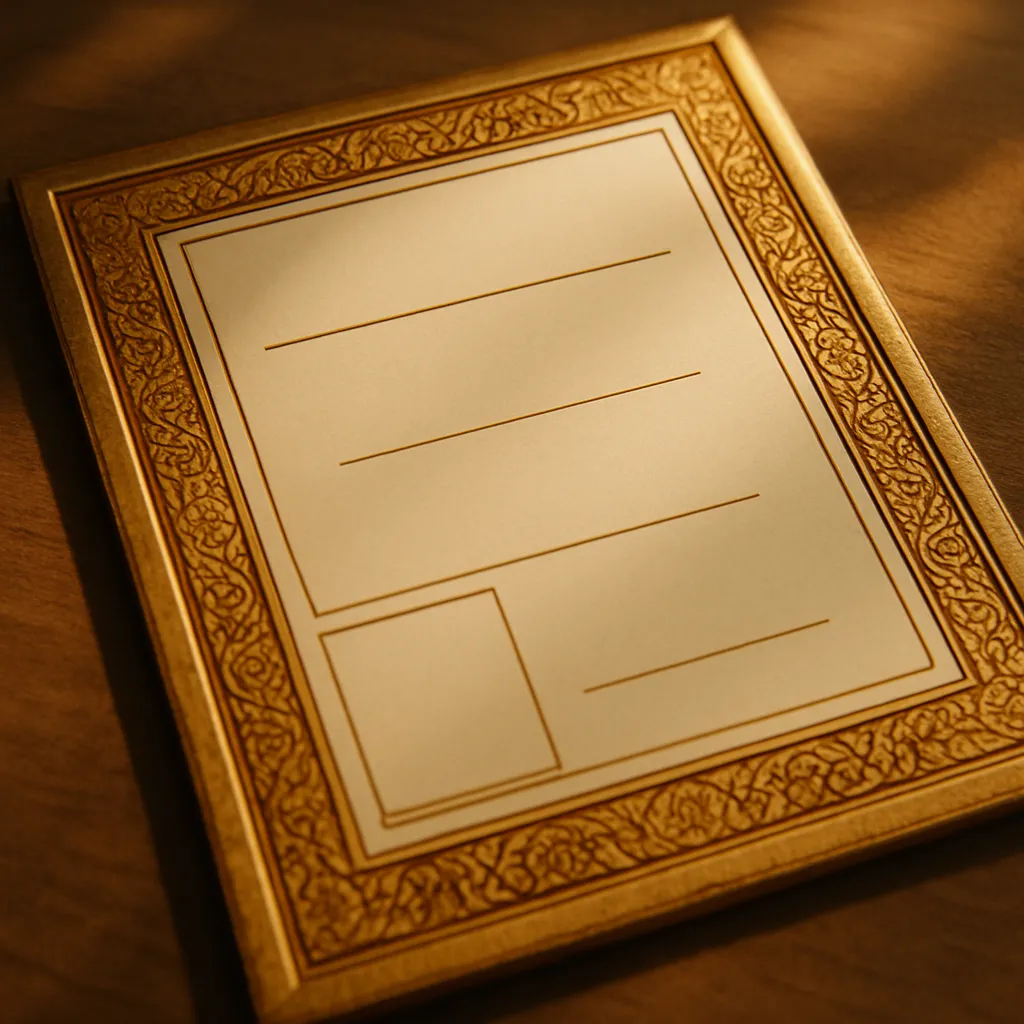
Temples issue rian in batches, and the batch is the unit of identity. An edition is documented with a batch number and often a named occasion: a first batch, a numbered run, an anniversary edition marking a temple milestone or a monk’s birthday. Each release is typically recorded on a printed poster or certificate that sets out the design, the materials struck, and the quantities.
This documentation is what makes the rian so legible. An edition has a name, a year, and a paper record, which turns a struck coin into a datable, identifiable object with a clear place in a monk’s output.
Why Collectors Value the Rian
For students of the tradition, the rian has three qualities that make it especially rewarding. It carries the monk’s portrait, so identifying who and what an example depicts is comparatively straightforward. It is datable, tied to a named edition and year. And it is the most accessible entry point for a newcomer, produced in enough quantity and at modest enough sums that a person can begin to learn without the barriers that surround the ancient tablets.
None of this is an authenticity verdict, which Lokavidu never offers; judging a specific example is the work of the Thai collector associations and their experts. But as a place to start learning the grammar of Thai amulets, the rian is hard to beat.
Rian Versus Phra Phim
It helps to set the rian against its opposite. A phra phim, the classic molded votive tablet, and a rian are two different worlds. The phra phim is ancient in conception, molded from powder or clay, and carries an idealized Buddha image; the rian is modern, struck from metal, and carries the portrait of a named monk. One descends from the old crypt tradition of the phim; the other belongs to the age of the printing press and the struck coin. Recognizing which world an object comes from is one of the first skills a student develops, and it is where the Amulets 101 guide is the natural place to continue.