
Among the many thousands of amulets that circulate in Thailand, one class stands above the rest in prestige and lore. Collectors call it the president of the Benjapakee, the set of five canonical types that sit at the summit of the field. Its name is Phra Somdej (พระสมเด็จ), and to understand it is to understand the template on which almost every modern Thai amulet is built.
This guide introduces what a Phra Somdej is, who made the first ones, what goes into its sacred material, and why a small rectangular tablet of pressed powder became the most revered object in an entire devotional culture. For the wider context of how amulets work at all, begin with the Amulets 101 guide.
An Object of Powder and Proportion
A Phra Somdej is a small, flat tablet, usually rectangular, bearing a Buddha figure seated in meditation upon a tiered base and framed within a simple arch. Its aesthetic is restraint. Where many amulets crowd the frame with ornament, the classic Phra Somdej is geometric and spare, an exercise in proportion that later connoisseurs came to treat as a standard of taste in itself. The back is left plain, unmarked, a quiet counterpart to the composed figure on the front. It is small enough to wear at the neck, and for a century and a half that is exactly where devotees have kept it.
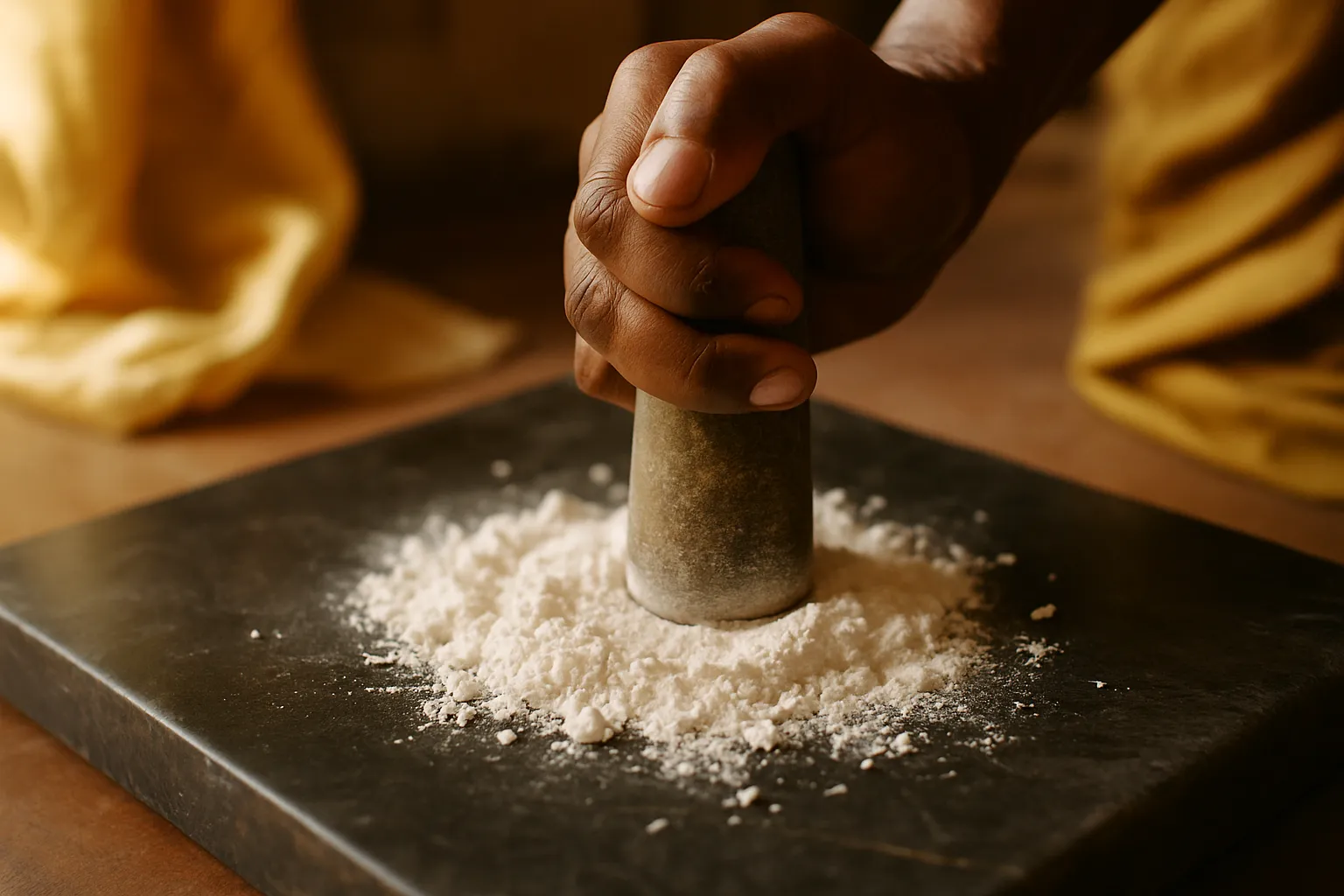
It belongs to the family of powder amulets, nuea phong (เนื้อผง), the “powder flesh.” (Nuea, เนื้อ, is the collector’s word for the material an amulet is made of; the glossary entry on nuea covers the full range.) The classic body is built on lime and finely crushed shell, bound with oils and folded through with sacred powder. The result is dense, pale, and quiet, a material that ages in ways students of the type spend years learning to read.
The Monk Behind the Original
The original Phra Somdej is inseparable from one man. Somdej Phra Phutthachan (To Phrommarangsi) of Wat Rakhang Kositaram, Bangkok, known across the country simply as Somdej Toh, was among the most venerated monks of the nineteenth century. He died in 2415 BE (1872). The powder tablets he made and blessed became the most revered amulets in the country, and his title attached itself to the whole class: a somdej is his kind of amulet.
Devotees hold that the power of these tablets flows from his barami (บารมี), the accumulated spiritual perfection of a lifetime of discipline and meditation. The tradition teaches that what such a monk consecrates carries the charge of that attainment. History records the plainer facts: a revered teacher at a major Bangkok monastery, a sacred recipe, and a public devotion that has only deepened in the century and a half since his death.
The Recipe Inside the Tablet
What sets the Phra Somdej apart is less its shape than its muan sarn, the mass of sacred ingredients compounded into its body. Every serious powder amulet carries such a mixture, and its documentation is treated the way a vintner treats a list of vineyards.
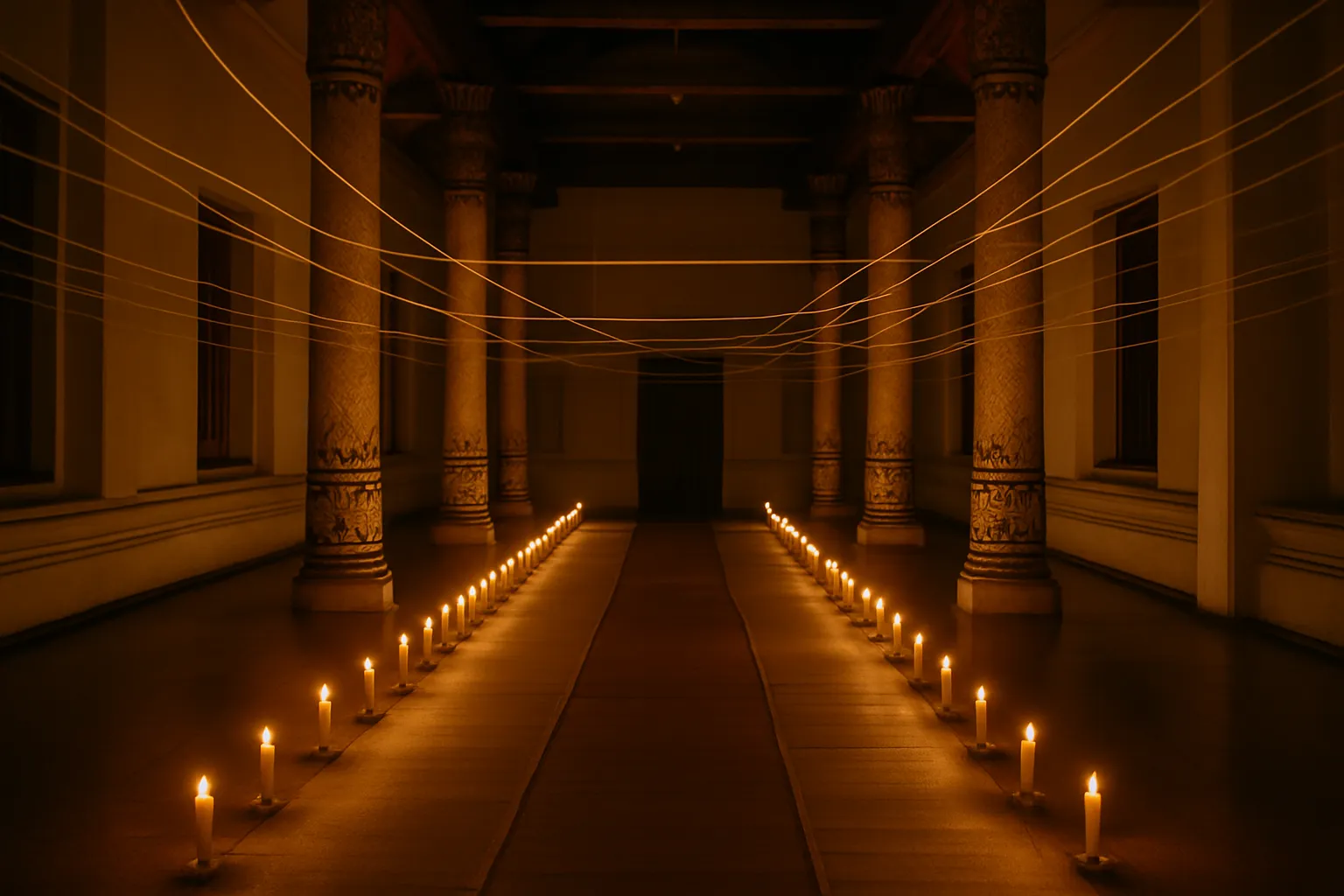
At the heart of the classic somdej recipe are the sacred powders known collectively as pong wiset (ผงวิเศษ). The tradition describes how a monk produces them: writing sacred yant diagrams on a slate with consecrated chalk while reciting the proper incantations, then erasing the writing, collecting the dust, and repeating the cycle again and again. The powder that results is, in effect, an archive of thousands of recitations, folded into the material before the tablet is ever pressed. Once pressed, the tablet is brought to a formal consecration, the ritual awakening the tradition calls pluksek, which is what the tradition holds turns a well-made object into a sacred one.
The Question of Phim
Ask a collector about a particular Phra Somdej and the conversation will begin with its phim, the mold, and by extension the recognized design variant it belongs to. The classic tradition distinguishes several, among them the phim yai (the large phim), the phim kaes, the phim chedi, and the phim sam liam. Entire reference books exist to separate one variant from another, line by line.
Lokavidu names these variants but does not teach their identification. Distinguishing authentic examples of prized editions is a discipline that consumes lifetimes, and this site does not issue verdicts on individual objects. That work belongs to the Thai collector associations and their judged competitions, and pointing a reader toward them is the honest service.
A Second Production: Wat Bang Khun Phrom
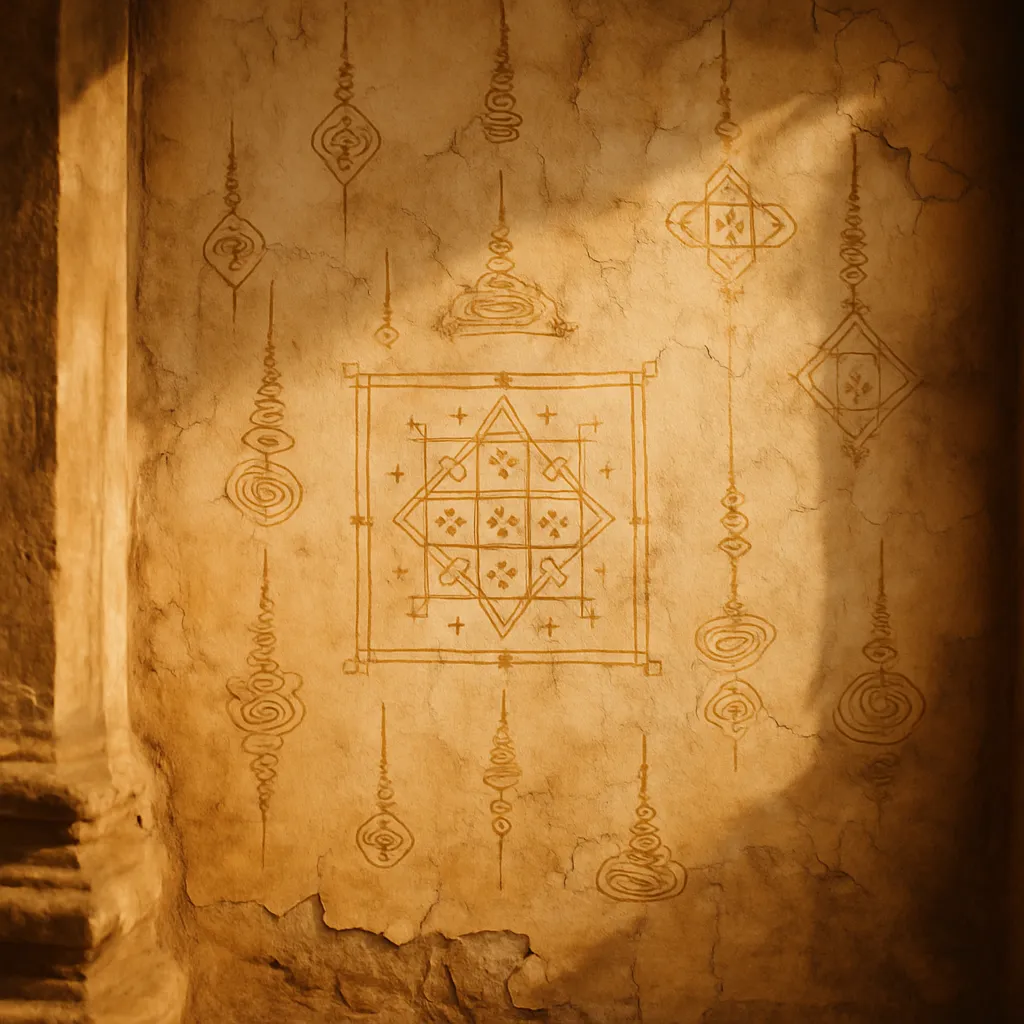
Wat Rakhang was not the only site where Somdej Toh’s amulets took shape. Around 2413 BE (1870), a court clerk named Duang, founder of the Thanakoses family, restored a Thonburi monastery officially named Wat Mai Amataros but known to every collector as Wat Bang Khun Phrom. Duang invited Somdej Toh to consecrate a set of powder tablets meant for sealing inside the temple’s newly built chedi, an uthesika cetiya, a memorial structure built in the Buddha’s honor rather than a reliquary for physical remains. The tradition recognizes a distinct set of phim varieties from this production, separate from the Wat Rakhang molds though built on the same formula and blessed by the same hand.
The tablets sat undisturbed inside the chedi for nearly ninety years. In October 2500 BE (1957), unauthorized digging into the crypt forced the temple’s hand, and officials opened the chedi formally on 24 November of that year under the Ministry of Interior. Thousands of tablets were recovered, though far fewer survived in good condition than the number originally sealed inside; looters working ahead of the official opening damaged or scattered a large share of the find. What emerged became known as the Somdej Bang Khun Phrom, a second canonical line running alongside the Wat Rakhang originals and carrying, in the eyes of the market, nearly the same authority, since both trace to Somdej Toh’s own hand and blessing.
Why It Wears the Crown
The Phra Somdej is called the king of amulets for two reasons. The first is canonical. When twentieth-century collectors ratified the Benjapakee, the five classic types at the top of the field, the Phra Somdej was placed at its head, the president of the set.
The second reason runs deeper. The somdej established the pattern that the entire modern amulet world would go on to follow: a famous monk, a sacred recipe, a formal consecration, and public devotion to the result. The deep ancestors of the amulet were votive tablets sealed inside stupas to preserve the religion, never meant to be worn. After Somdej Toh, wearing a named monk’s consecrated image became a mass practice. Every temple edition announced this month, every revered abbot’s medal and powder tablet, descends from the template the somdej set.
The Market, in One Paragraph
A word on value, offered as journalism rather than invitation. In Thailand one does not buy an amulet; one rents it. The verb is chao (เช่า), and the money is framed as a donation that supports the temple rather than a purchase price. Verified examples of the celebrated early Phra Somdej are discussed among collectors in the millions of baht, with the most storied pieces reported far higher still, figures that belong partly to market lore in a field with no public sale registry. The Wat Bang Khun Phrom line trades in the same conversation, valued close behind the Wat Rakhang originals because both are accepted as Somdej Toh’s own work, differing mainly in provenance history and the condition survivors carry after nearly a century sealed in a chedi. At the other end of the same tradition, temples continue to issue new somdej-form tablets as tributes, rented at their counters for modest sums that go straight into the monastery’s work. Both belong to one lineage; only the provenance and the price differ.
Where to Go Next
The Phra Somdej is one member of a canon of five. The Benjapakee gathers them together and explains the collecting culture that crowned them. And the Amulets 101 guide lays out the ground floor of the whole tradition, from consecration to the etiquette of wearing.