
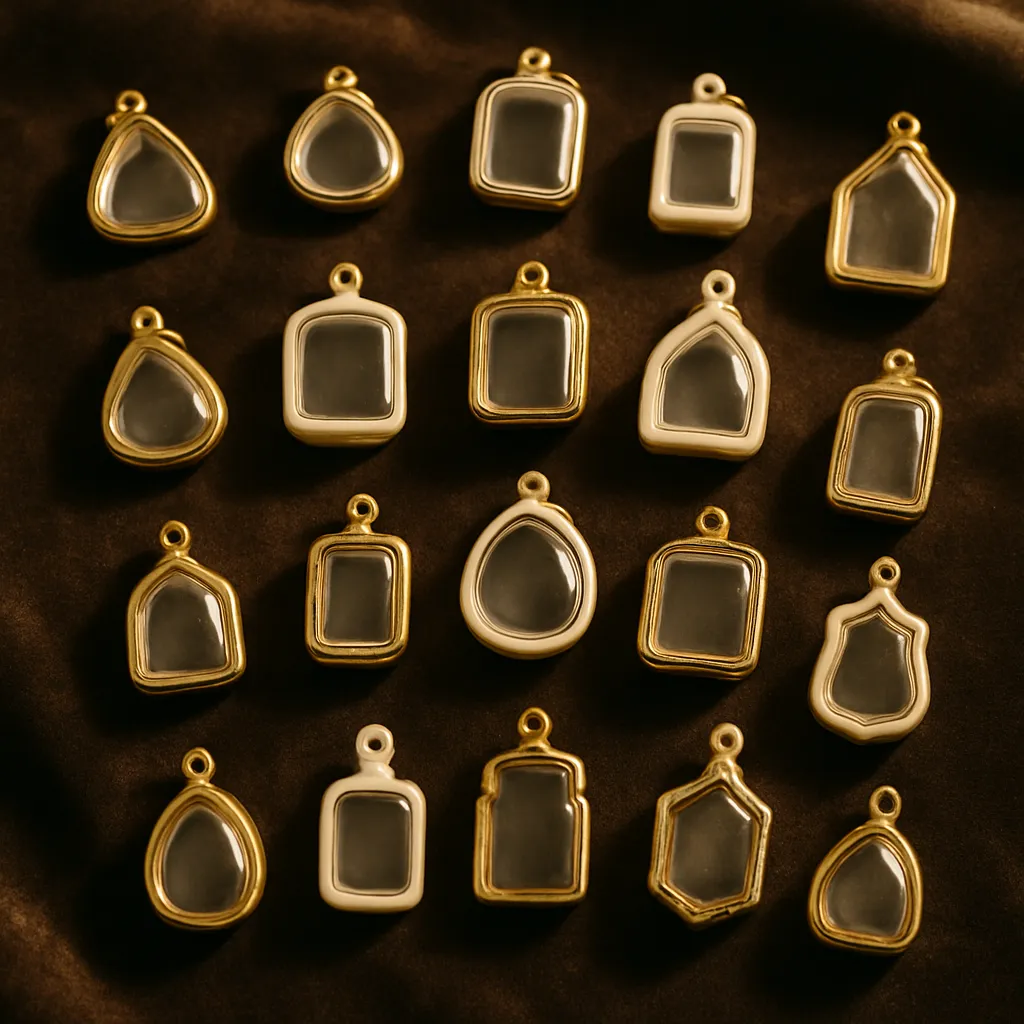
Ask why someone in Thailand wears an amulet and the answer, more often than not, is protection. But protection is not a single idea in this tradition. It is a small family of related concepts, each with its own name, its own emphasis, and its own favoured objects. The Amulets 101 guide introduces the wider world of consecrated objects; this article looks closely at what the tradition actually means when it speaks of keeping a person safe.
The Vocabulary of Protection
Thai devotional language distinguishes several kinds of protection that English tends to blur into one word.
Khlaeo khlat (แคล้วคลาด) is escape from harm: the near miss, the accident that does not quite connect, the danger that passes by. It describes deliverance through avoidance rather than resistance, and it is the domain most associated with the southern saint Luang Pu Thuad. The glossary entry on khlaeo khlat sets out the idea in brief.
Kongkraphan (คงกระพัน) is different. It is invulnerability of the body: the belief that the flesh cannot be pierced or broken by a weapon. Where khlaeo khlat turns danger aside, kongkraphan imagines the danger arriving and failing to wound. The glossary entry on kongkraphan gives the definition.
Kan phai (กันภัย) is broader still, a general warding against danger and misfortune of many kinds. It is the wide umbrella under which the more specific ideas sit.
A related but distinct domain sits alongside these three. Metta mahaniyom (เมตตามหานิยม), loving-kindness and great popularity, is the quality of charm and personal magnetism that makes other people well disposed toward the wearer. It is not protection in the khlaeo khlat or kongkraphan sense; nothing here is escaping danger or resisting a blow. But readers searching for “protective” amulets often mean to include it, on the logic that a life with fewer enemies and less social friction is its own kind of safety. The glossary entry on metta mahaniyom sets out the idea, and the Phra Nang Phaya is the Benjapakee type most associated with it, its softer, more graceful phim, the mould or design template an amulet is cast or pressed from, read by many devotees as an expression of that gentler quality.
These are not synonyms, and devotees do not treat them as interchangeable. In the tradition’s own logic, a person who fears a road accident and a person who once faced physical violence might look to different objects, because the kind of safety they are seeking is described by a different word.
Which Types Specialize
Because the concepts differ, the types associated with them differ too.
The Phra Pidta, the closed-eye Buddha, is read as sealing the six sensory gates, ayatana in the classical Buddhist scheme: eye, ear, nose, tongue, body, and mind, against disturbance and harm. The senses are shut, and with them the doors through which trouble is thought to enter. Its protective meaning is discussed at length in the Phra Pidta guide.
Luang Pu Thuad is the saint of khlaeo khlat above all. Devotees hold that a person wearing his amulet will not die a violent death, and the profile of Luang Pu Thuad traces how that reputation formed and spread across the country.
The Phra Rod, oldest of the canonical five, carries protection in its very name: rod (รอด) means to survive, to escape. The small fired-clay tablets were recovered from the kru (กรุ), the sealed relic chamber, of Wat Mahawan in Lamphun, and art historians place them in the Dvaravati and Haripunchai cultural horizon, roughly the seventh to eighth century CE, making them the oldest witnesses in the entire Benjapakee canon. Tradition attributes the first tablets to Phra Nang Chamadevi, the legendary founding queen of the Haripunchai kingdom, an attribution that belongs to hagiography rather than documented history, even though the tablets’ great antiquity is well established on art-historical grounds. The tablet’s survival through more than a thousand years underground is read as an emblem of the very safety its name promises.
And the takrut, the tightly rolled metal scroll inscribed with yant and katha, is protection made portable: a mobile shield worn at the waist or the neck. The glossary entry on takrut describes the form.
Kan phai’s breadth also explains why protective objects appear outside the standard pendant format. The mongkol worn on a muay thai fighter’s head during the wai khru ram muay, and the pra jiad tied around the biceps, are blessed pieces of cloth and cord rather than cast or moulded amulets, but they answer to the same broad idea of warding against harm before entering a dangerous situation. The guide to muay thai amulets covers that tradition in full.
Protection Beyond the Individual
Most of what this article describes is protection carried on a single body. But the same vocabulary attaches to places as well as people, and site-based protection is an older, wider layer beneath the personal amulet.
Every Thai province and most cities maintain a lak mueang (หลักเมือง), a city pillar shrine understood as the dwelling place of guardian spirits charged with protecting the settlement collectively. The custom predates the arrival of Buddhism in the region and continues alongside it: a city honors its pillar with its own rites even as residents carry personal amulets for individual protection, the two systems running side by side rather than in competition.
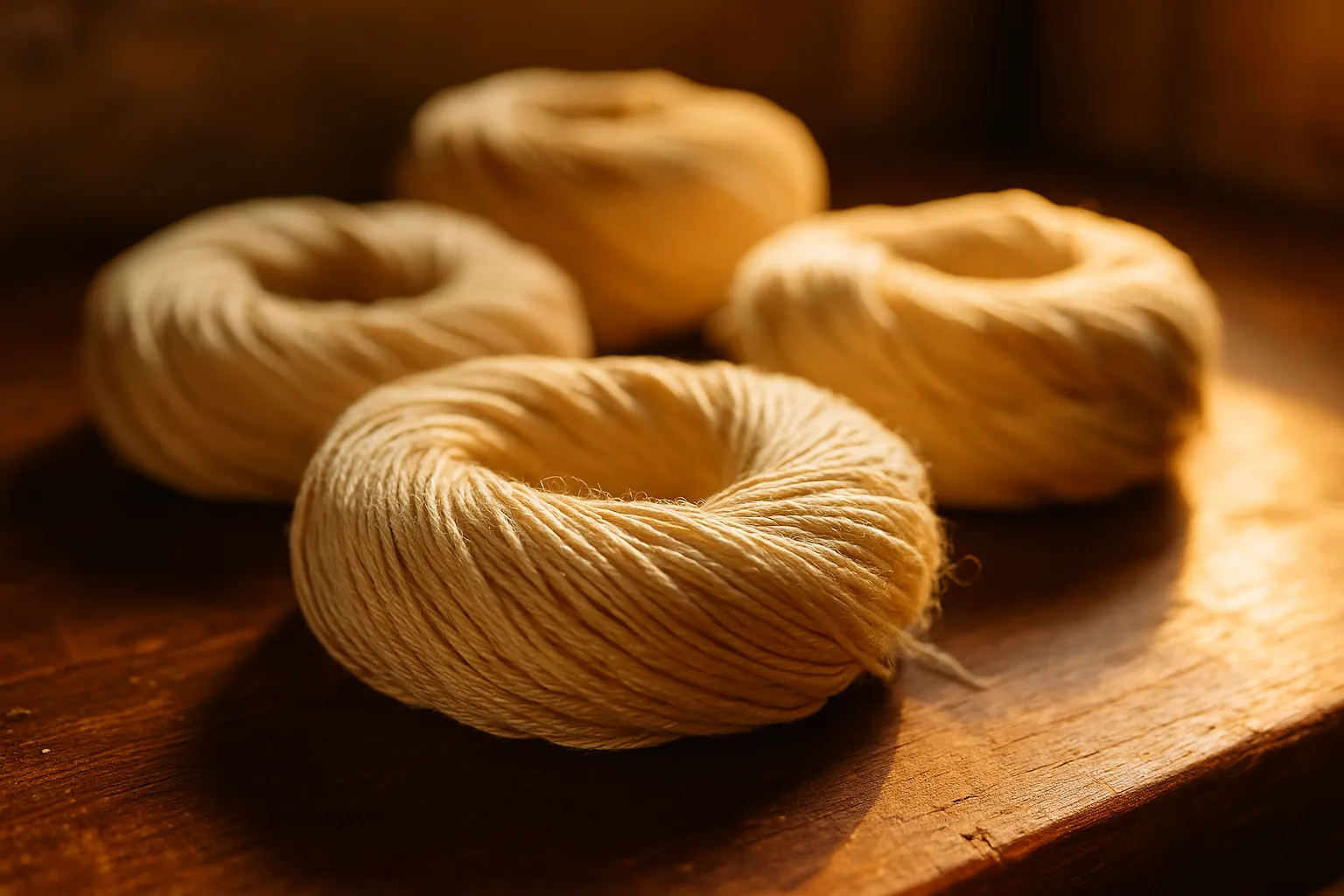
Temple grounds carry a parallel logic at a smaller scale. Every ubosot (อุโบสถ), the ordination hall, is bounded by sema (สีมา), stone markers that fix its consecrated perimeter; the glossary entry on sema explains the term. Ceremonies held inside that boundary, including the phutthaphisek that consecrates amulets, draw part of their authority from the fact that the space itself has been marked and set apart. During larger blessing rites, monks also circle a building with sai sin (สายสิญจน์), a cotton thread chanted over in advance, physically marking a protected perimeter for the duration of the ceremony; the glossary entry on sai sin and the fuller sai sin guide describe the practice in more detail.
The distinction is worth holding onto. An amulet is protection a person carries; a sema-bounded ubosot or a lak mueang shrine is protection built into a place. Both draw on the same underlying vocabulary, khlaeo khlat and kan phai chief among them, but only the personal amulet travels with the wearer once they leave the temple grounds.
The Role of the Wearer
One point recurs whenever teachers speak about protection: the object does not act alone. The tradition consistently holds that an amulet protects the person who keeps the precepts, and that conduct, the maker’s consecration, and the object form a single working whole. A person who lies, harms others, and behaves recklessly is not thought to be shielded by a pendant worn around the neck.
The teaching places responsibility back on the wearer. The amulet is understood to support a life already oriented toward restraint and merit, not to license the opposite. This is why the same monks who consecrate protective objects so often, in the same breath, teach the Five Precepts (pañca sila), the basic lay ethical code against killing, stealing, sexual misconduct, false speech, and intoxication. The object and the conduct are meant to travel together, and a devotee who neglects the second while relying on the first is, by the tradition’s own account, misreading what the amulet is for.
How Protection Is Understood
It is worth being precise about the shape of the claim. The tradition does not, on the whole, describe an amulet as an invisible force field that stops everything. The stories devotees tell are stories of redirection and narrow escape: the bullet that jams, the crash the person walks away from, the blow that lands a finger’s width from where it would have been fatal.
Protection, in this telling, is the danger that misses more than the danger that is repelled. That is a subtle distinction, but it shapes how the objects are understood. It also explains why khlaeo khlat, escape from harm, sits so near the centre of the whole idea.
What the Tradition Teaches
Everything above is offered as what the tradition teaches, not as a claim about how the world works. Lokavidu reports these beliefs with attribution and does not assert that any object produces any outcome.
What can be said plainly is this: protection is the oldest and deepest reason Thai people carry these objects; the vocabulary for it, khlaeo khlat, kongkraphan, kan phai, and metta mahaniyom, is richer than a single English word suggests; it extends beyond the individual to entire places; and the tradition ties the object’s protection to the wearer’s own conduct at every turn. For the broader context of how amulets are made, consecrated, and worn, the Amulets 101 guide is the place to begin.